

The best rotating datacenter proxies continue to deliver quick, affordable solutions for users who need fast connections and frequent IP changes. These rotating data proxies pull addresses from data center servers and switch them automatically, making them perfect for handling requests without constant interruptions. In 2026, many people will turn to cheap rotating datacenter proxies because they balance speed with cost.
What Are Rotating Datacenter Proxies?
The best rotating datacenter proxies route your traffic through IP addresses hosted on powerful servers in data centers. The IPs change at set intervals or with each request, which helps avoid detection and maintains steady access during extended sessions.
These rotating proxies stand out for their speed. Connections often happen much faster than with other proxy types because the servers sit in optimized facilities with strong infrastructure. Many users choose them when they need quick responses over maximum anonymity.
Compared to static proxies, the rotating proxies reduce the chance of blocks from sites that watch for repeated use of the same address. They work well when speed matters more than blending in completely.
Why Choose Cheap Rotating Datacenter Proxies in 2026
Affordability remains a big draw in 2026. Many providers offer plans for cheap rotating datacenter proxies that let users scale up without breaking the bank, especially when compared to more complex alternatives.
Datacenter proxies deliver low latency, which helps when you run multiple tasks at once or pull large amounts of data quickly. Users often see smoother performance in high-volume scenarios. Most services now provide high uptime and solid success rates, so connections stay stable even during long sessions.
Best Cheap Rotating Datacenter Proxies in 2026
1. ProxyEmpire – Best Cheap Rotating Datacenter Proxies in 2026
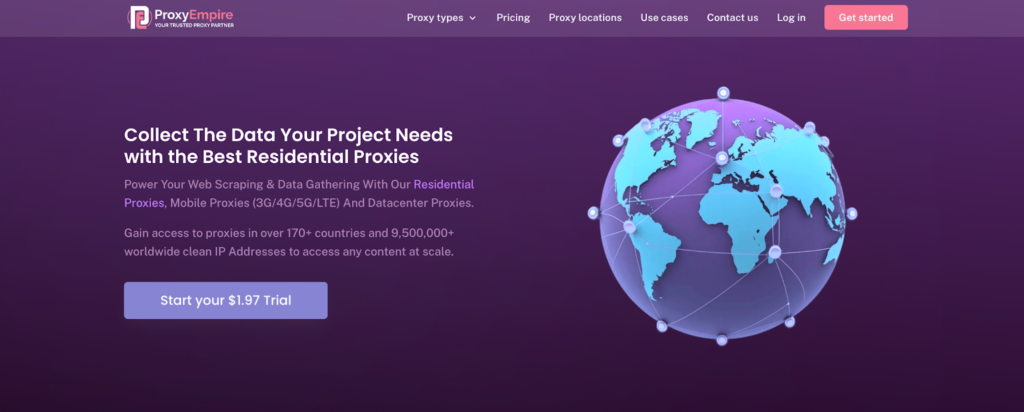
ProxyEmpire is a premium proxy service provider designed to empower web scraping, data collection, and unrestricted internet access through a vast network of ethically sourced residential, mobile, and datacenter proxies. Below is a detailed description based on the provided information:
Overview of ProxyEmpire
ProxyEmpire offers a comprehensive suite of proxy solutions tailored for individuals, businesses, and developers seeking reliable, high-performance tools for data gathering and privacy protection. With over 30 million clean IP addresses spanning 170+ countries, ProxyEmpire provides unparalleled global coverage, ensuring users can access content at scale with a 99.9% uptime and lightning-fast response times (as low as 0.6 seconds).
Proxy Types and Features:
🏘️ Rotating Residential Proxies
Key Benefits
- Global Reach: Access to over 30 million IPs worldwide, covering every major region, with precise targeting options (country, city, state, ASN/ISP).
- High Reliability: A 99.86% uptime ensures uninterrupted service, supported by patented technology for enhanced speed and security.
- Ethical Sourcing: Proxies are responsibly harvested, ensuring quality and compliance.
- Versatile Use Cases: Supports web scraping, price monitoring, sneaker copping, SEO tracking, ad verification, and more.
- Integration-Friendly: Compatible with standard proxy protocols (HTTP, SOCKS5) and third-party tools like Multilogin, Dolphin Anty, Kameleo, Octobrowser, and Gologin.
- No Hidden Fees: Transparent pricing with all features included, starting at a $1.97 trial.
Use case:
2. ResiProx
ResiProx offers rotating datacenter proxies that support a range of automation and data tasks with reliable performance throughout. The service provides automatic IP changes that keep connections fresh and solid speeds that help tasks run smoothly across multiple countries for varied access points. It works well for users who want straightforward setup and dependable connections without complicated configurations. Strengths include reliable performance for everyday scraping and browsing needs where quick responses matter most. The rotation helps avoid simple blocks, and the network handles moderate to high volumes without major issues while maintaining consistent uptime. Many users appreciate how the service balances ease of use with effective IP switching for longer sessions. Some limitations exist with pool size in certain regions, yet overall the platform delivers dependable results for general automation workflows. Flexible options let you adjust rotation timing to match specific project demands, making it suitable for both beginners and experienced teams looking for steady output.
- Automatic IP rotation on request or interval
- Support for common protocols like HTTP and SOCKS5
- Coverage in many countries
- Easy integration for basic to mid-level tasks
- Good uptime for consistent use
Pros: Simple to start, solid for general automation, reliable speeds.
3. Proxy-Cheap

Proxy-Cheap brings rotating datacenter proxies with a focus on value and ease of use that appeals to many teams handling frequent requests. The network delivers quick connections and automatic IP switches that keep workflows moving without unnecessary pauses. It performs well in high-speed scenarios and offers flexible rotation to maintain active sessions during extended operations. The service suits users who run frequent tasks and need a simple way to manage IP changes across different projects. Many find the straightforward dashboard helpful for quick adjustments without deep technical knowledge. Some limitations include fewer advanced controls and potential detection on tightly monitored platforms, yet the overall setup supports efficient daily operations. The platform emphasizes practicality for volume work while keeping things accessible for a wide audience. Rotation options adapt well to both short bursts and longer activities, helping reduce interruptions in automation flows.
- Fast response times
- Automatic rotation options
- Support for standard protocols
- Straightforward dashboard
Pros: Easy setup, good speed for the cost, handles volume well.
Cons: Limited customization, easier to spot on strict sites.
4. Webshare
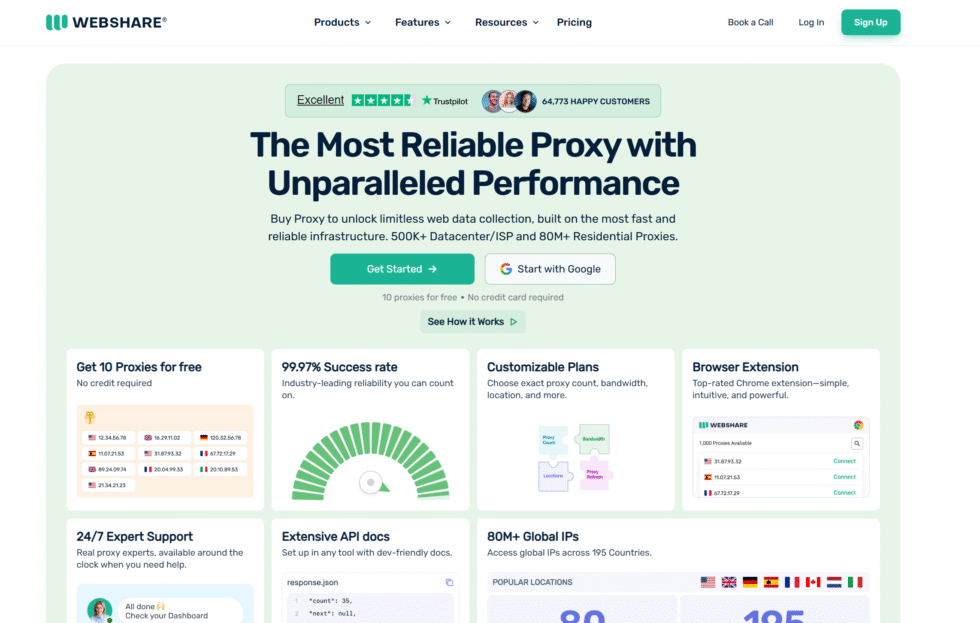
Webshare supplies rotating datacenter proxies known for speed and large availability that benefit demanding tasks across various locations. The service rotates IPs efficiently and supports high concurrent use, which helps keep operations running smoothly during bulk activities. It offers strong performance in many regions and provides tools that simplify integration into existing setups. Many users rely on it for tasks that require consistent throughput and minimal downtime. The rotation system works effectively to refresh addresses and maintain access over time. Some drawbacks can include basic targeting options and occasional blocks on sensitive targets, but the platform still delivers reliable results for most standard needs. The service stands out for its scalability in high-volume environments where quick IP cycling matters. Overall it provides a practical solution for teams focused on efficiency and broad coverage without excessive complexity.
- High-speed connections
- Large IP selection
- Unlimited threads in higher tiers
- Simple integration
Pros: Fast and scalable, good for bulk work.
Cons: Detection risk on advanced sites.
5. Smartproxy
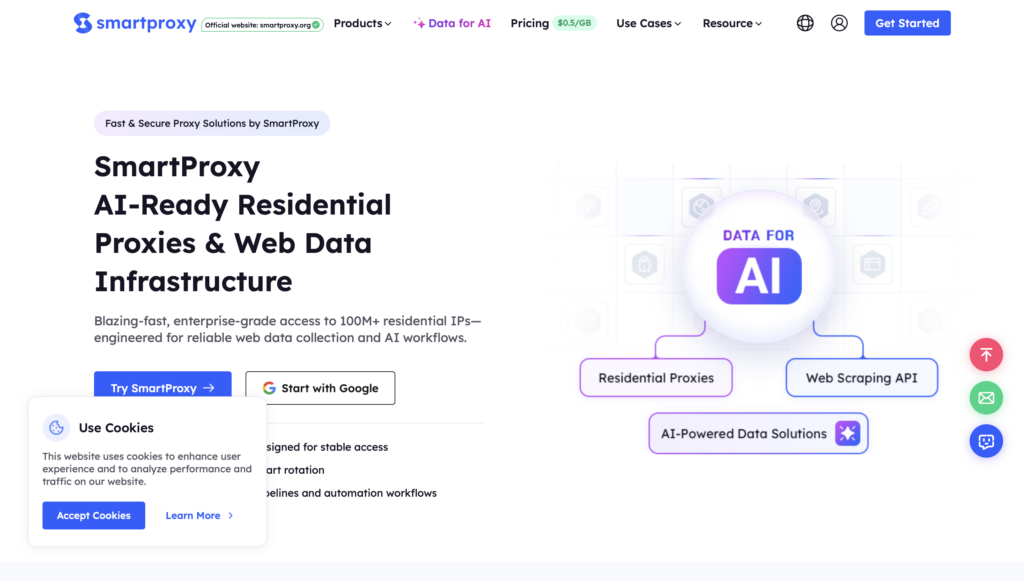
Smartproxy provides rotating datacenter proxies with reliable rotation and quick speeds that handle automation tasks smoothly across multiple regions. The network covers various areas and includes useful session controls that give users flexibility in managing IP behavior. It performs well for mid-volume operations where consistent performance is key. Many appreciate the user-friendly setup that allows quick deployment without extensive training. The automatic IP changes help maintain access during repetitive actions and reduce the chance of quick blocks. Some users note higher detection on certain platforms, yet the service remains effective for a wide variety of everyday workflows. Rotation options adapt to different activity levels, making it suitable for testing and monitoring projects. The platform emphasizes ease of management while delivering steady results that support ongoing data collection efforts.
- Automatic IP changes
- Solid speeds
- Protocol support
- User-friendly setup
Pros: Reliable for mid-volume tasks, easy management.
Cons: Can face blocks on strict targets.
6. Bright Data
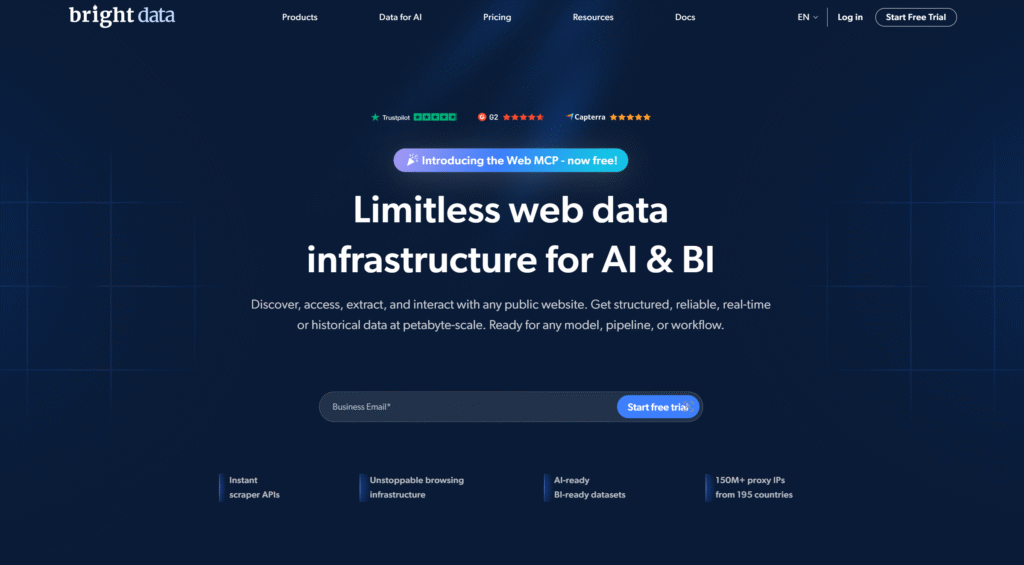
Bright Data offers rotating datacenter proxies as part of a broad network that delivers fast routing and flexible rotation for large-scale operations. The service performs well in complex scenarios where advanced controls help fine-tune IP behavior across extensive tasks. It supports heavy workloads and provides tools that integrate with various systems for seamless use. Many teams choose it for enterprise-level activities that demand consistent output and adaptability. The rotation features allow precise adjustments to match specific workflow requirements. Limitations include more focus on premium features that may feel complex for simple needs, but the overall infrastructure supports demanding environments effectively. The platform stands out for its ability to handle diverse use cases with strong reliability. Users benefit from the depth of options that enhance performance in high-intensity data handling situations.
- Advanced rotation controls
- High performance
- Wide protocol support
Pros: Strong for enterprise use, consistent results.
Cons: May feel complex for simple needs.
7. Oxylabs
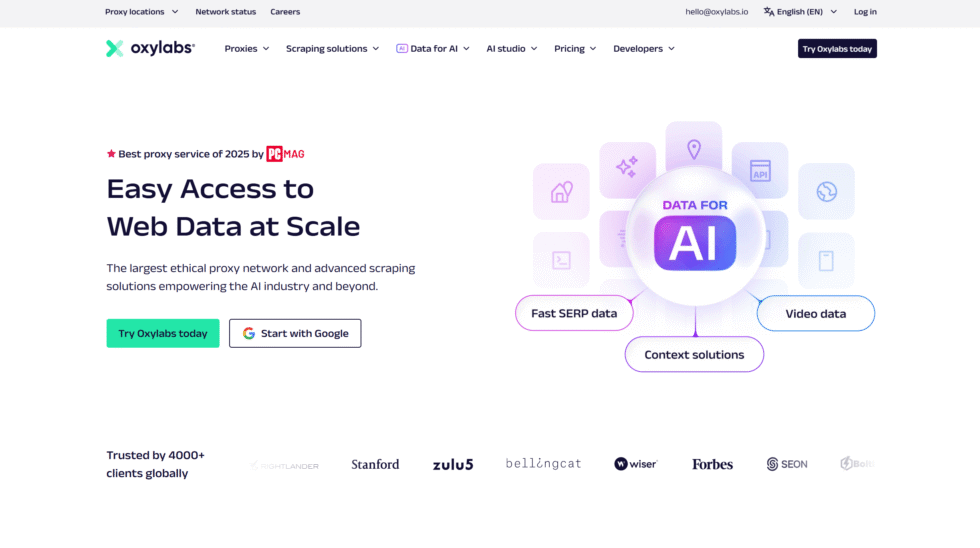
Oxylabs runs rotating datacenter proxies with emphasis on speed and stability that support heavy workloads across many locations. The network rotates IPs smoothly and maintains solid connections during intensive sessions. It offers good coverage and tools that help with integration into larger systems. Many users rely on it for tasks that require dependable throughput over extended periods. The rotation system helps prevent interruptions and keeps access fresh for ongoing activities. Some drawbacks involve setup complexity for newcomers, yet the strong infrastructure delivers excellent results once configured. The service excels in scenarios that involve large-scale data operations and automation flows. Overall it provides a robust option for teams focused on performance and scalability in competitive environments.
- Fast connections
- Reliable rotation
- Multiple protocols
Pros: Handles scale well, strong infrastructure.
Cons: Steeper learning curve.
8. SOAX
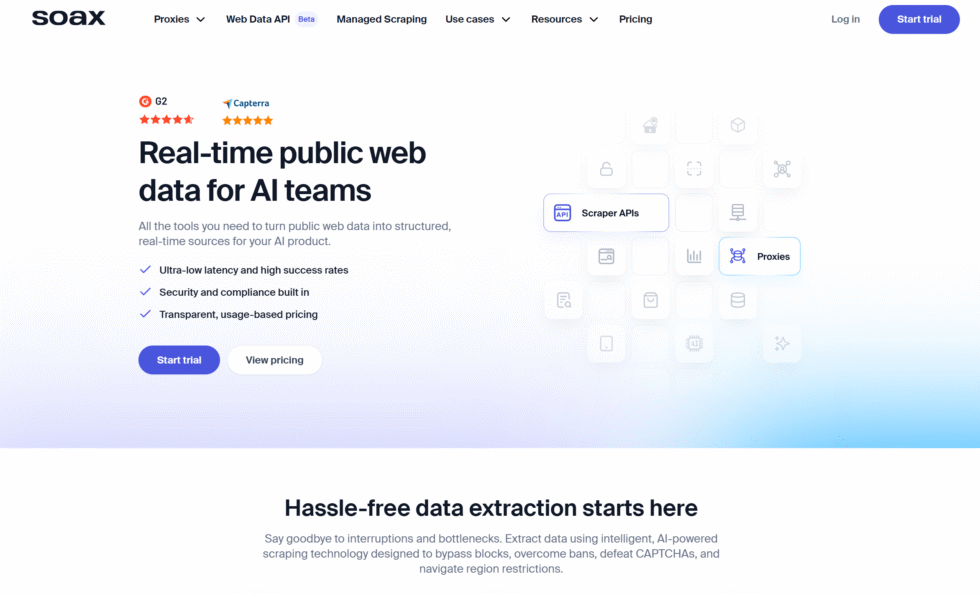
SOAX includes rotating datacenter proxies with clean rotation and decent speeds that work for various automation needs. The service provides session flexibility that lets users adjust IP behavior to fit different project demands. It offers location variety and reliable uptime that supports consistent performance. Many find it balanced for tasks that require steady output without overcomplication. The automatic changes help maintain access during repetitive actions across platforms. Detection can occur on advanced systems in some cases, yet the platform delivers solid results for standard workflows. The rotation options adapt well to both short and longer sessions. Users benefit from the straightforward approach that combines usability with effective IP management for daily operations.
- Automatic changes
- Good uptime
- Location variety
Pros: Balanced performance, easy for many tasks.
Cons: Variable results on strict sites.
9. NetNut
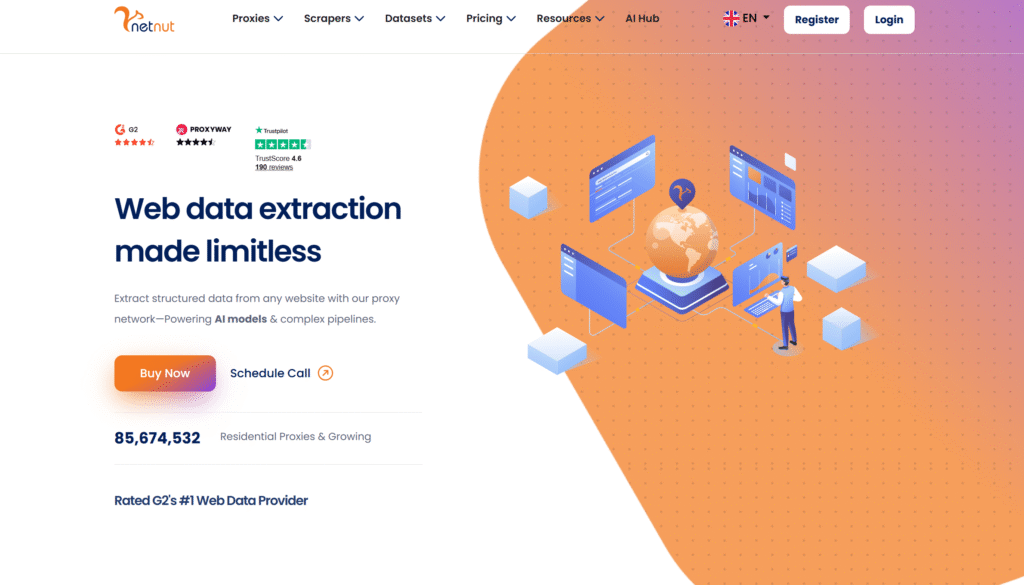
NetNut delivers rotating datacenter proxies focused on stable connections and quick IP switches that support high-volume routing. The network maintains solid speeds and provides protocol flexibility for integration into different tools. It works well for ongoing tasks that require consistent access without frequent interruptions. Many users appreciate the reliable rotation that keeps workflows moving smoothly. Some mention limited options in certain areas, yet the service still offers strong performance for most general needs. The platform emphasizes stability that benefits extended data collection and automation projects. Rotation features help refresh addresses effectively while supporting diverse activity levels. Overall it provides a dependable choice for teams prioritizing uptime and efficient IP cycling.
- Reliable rotation
- Fast performance
- Protocol flexibility
Pros: Consistent for ongoing tasks.
Cons: Coverage gaps in some regions.
10. IPRoyal
IPRoyal offers rotating datacenter proxies with straightforward rotation and good speeds that fit smaller to medium tasks well. The service includes basic controls that make management simple for everyday use. It delivers decent performance for users who need reliable connections without advanced features. Many beginners find it accessible and effective for initial projects. The automatic IP rotation helps reduce blocks during standard operations. Drawbacks can include smaller pool size for very large jobs, but the platform still handles typical workloads reliably. The setup process remains easy and supports quick deployment across various applications. Users benefit from the practical balance of speed and usability for general automation needs.
- Automatic IP rotation
- Decent speeds
- Simple use
Pros: Accessible for beginners, reliable basics.
Cons: Less scale for very large jobs.
11. ProxyRack
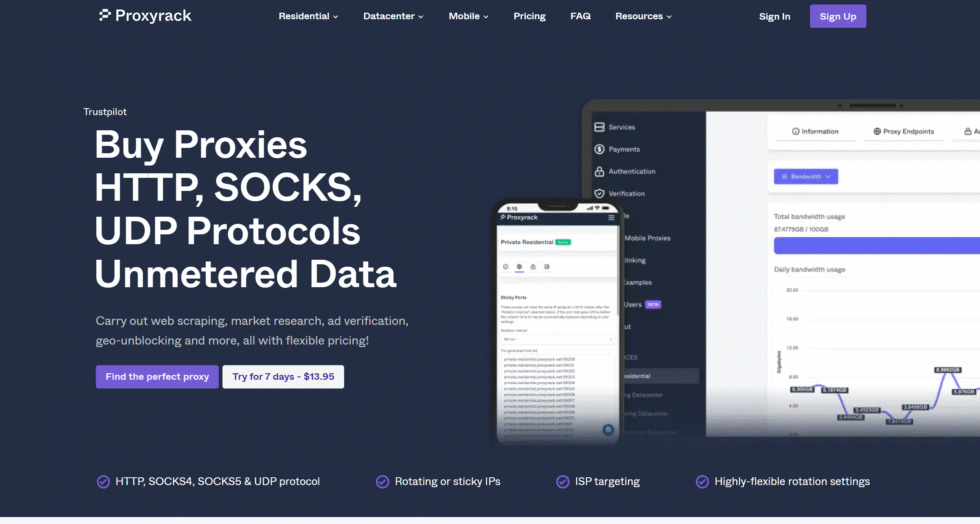
ProxyRack supplies rotating datacenter proxies known for uncapped data and fast reliable connections that support high-volume tasks effectively. The service allows automatic rotation with options for sticky sessions or per-request changes, making it suitable for both quick switches and longer activities. It offers geo-targeting for countries and cities that helps with region-specific access needs. Many users rely on it for shopping bots, data collection, and other intensive operations where consistent output matters. The network changes IPs regularly to maintain freshness and reduce detection risks. The platform supports multiple protocols including HTTP, SOCKS, and UDP for broad compatibility. Some limitations exist with thread options depending on plan levels, yet overall it delivers dependable results for global workflows. The straightforward approach appeals to teams seeking practical solutions for daily automation without unnecessary complexity.
- Uncapped data handling
- Geo-targeting for countries and cities
- Support for HTTP, SOCKS, and UDP protocols
- Regular IP network changes
- High concurrent thread options
Pros: Strong for bulk tasks, easy global access, consistent reliability.
Cons: May require plan adjustments for maximum threads.
12. Rayobyte
Rayobyte offers rotating datacenter proxies that focus on quality connections and flexible rotation for a wide range of customers. The service provides stable performance with automatic IP switches that help avoid blocks during extended sessions. It supports various use cases including scraping and automation where speed and reliability play key roles. Many teams choose it for its balanced approach that combines ease of use with effective IP management. The network covers multiple locations and integrates well with standard tools for smooth deployment. Some users note it works best for mid-level volumes rather than extreme enterprise demands, yet it still delivers solid results consistently. The platform emphasizes practical features that support everyday workflows without overwhelming options. Rotation controls allow customization to match specific task requirements effectively.
- Automatic and sticky session rotation
- Support for common protocols
- Reliable speeds for daily tasks
- Easy integration options
- Balanced coverage across locations
Pros: Quality connections, flexible for many workflows, user-friendly management.
Cons: Best suited for mid-level rather than extreme scale needs.
Key Factors to Consider When Choosing a Provider
Look at speed first. Fast response times make a big difference when you handle many requests at once. Next, check rotation flexibility. Options like time-based, request-based, or sticky sessions let you adapt to different tasks. Proxy pool size matters too. Larger selections give more variety and reduce repetition risks. Uptime and success rates keep things running smoothly.
| Factor | Why It Matters | Common Application |
| Speed | Keeps tasks moving without delays | High-volume data collection |
| Rotation Flexibility | Adapts to varied workflows | Automation and monitoring |
| Pool Size | Provides variety to avoid repetition | Extended sessions |
| Uptime | Ensures stable connections | Long-running processes |
| Protocol Support | Fits easily into existing tools | API and app integrations |
Common Use Cases for Rotating Datacenter Proxies
These data proxies shine in web scraping, where speed helps pull data fast without delays. Many users rely on them for price monitoring to track changes across sites. Tasks like account management or testing run smoother with quick, rotating connections. Social media proxy workflows use them to handle multiple actions without quick blocks. They also support API data collection when rate limits pose problems.
Performance Insights for Rotating Datacenter Proxies in 2026
Many services have refined their networks to support even heavier loads while keeping costs low. Providers continue to improve how they handle concurrent sessions and quick IP switches. Some focus on smoother integration with popular tools, while others emphasize easier management for everyday users.
FAQ
What makes rotating datacenter proxies faster than other types?
Rotating datacenter proxies route connections through high-powered servers in dedicated facilities designed for quick data transfer. This infrastructure minimizes delays that often occur with proxies relying on everyday networks. The result is noticeably faster performance, especially useful when speed directly impacts efficiency in demanding workflows.
How do different rotation types affect performance?
Time-based rotation refreshes IPs at regular intervals, which suits ongoing sessions that need consistency over time. Request based rotation switches addresses with every connection, helping maintain freshness during rapid tasks. Sticky sessions allow holding the same IP temporarily, providing balance when certain activities require continuity without sacrificing overall rotation benefits.
Can rotating datacenter proxies handle high-volume automation?
These proxies manage multiple connections simultaneously thanks to their robust server setup. Unlimited concurrent sessions and bandwidth prevent slowdowns during intensive operations. This capability makes them well-suited for automation that involves frequent, repetitive actions across various platforms.
When should you choose rotating datacenter proxies over residential ones?
Opt for a rotating datacenter proxy when quick response times and cost efficiency take priority in your work. They excel in scenarios where rapid execution matters more than mimicking everyday user behavior. Residential proxy options may offer better evasion on certain platforms, but datacenter types provide superior speed for volume-driven needs.
What role does session control play in rotating datacenter proxies?
Session control lets users customize how long an IP stays active before rotation occurs. This feature supports both short bursts of activity and longer sessions without interruption. Flexible controls through API or dashboard adjustments help align the proxy behavior precisely with specific task requirements.