

In 2026, folks often search for the best proxy extension for Chrome to handle tasks like web scraping or simply staying private online. These tools let you switch IPs quickly, avoid blocks, and keep data safe. With options like Chrome proxy addons or browser proxy managers, you get smooth control right in your browser.
What Makes a Good Proxy Extension
Proxy extensions add a layer of control to your browsing. They route traffic through different servers, hiding your real IP. This helps with accessing content from other places or testing sites. Look for ones that support multiple protocols like HTTP or SOCKS5. Easy setup matters too, so you can add proxies without fuss.
Some let you set rules for specific sites, turning on only when needed. Others include quick toggles in the toolbar. Pick based on your needs, like if you want free basics or advanced features. For mobile-focused tasks, check extensions that pair with mobile proxies.
How to Set Up and Use Proxy Extensions Safely
Setting up starts with downloading from the Chrome Web Store. Once installed, enter your proxy details like address and port. Test the connection to make sure it works. Use strong passwords if the extension allows authentication. Avoid public proxies that might log your activity. Stick to trusted providers for better security.
Update the extension often to fix bugs. If you run into issues, clear cache or restart Chrome. For scraping or research, combine with datacenter proxies for faster speeds. Always follow laws in your area when using these tools.
Best Proxy Extension for Chrome in 2026
1) ProxyEmpire – Best Proxy Extension for Chrome In 2026
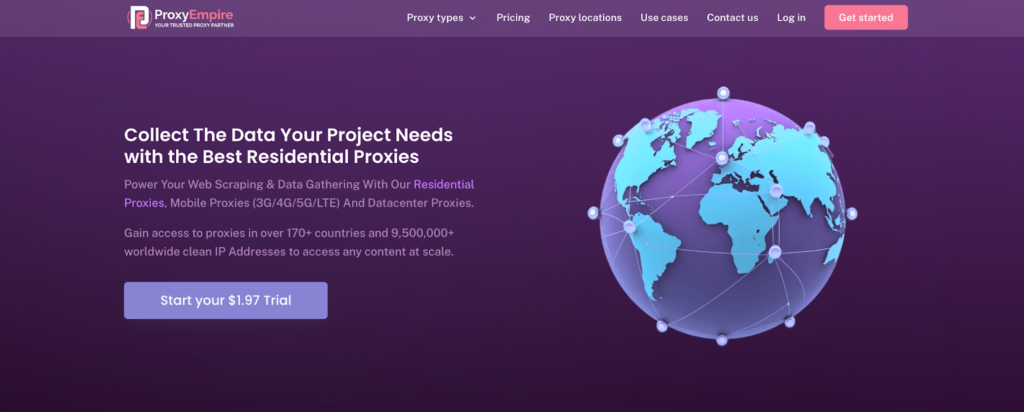
ProxyEmpire is a premium proxy service provider designed to empower web scraping, data collection, and unrestricted internet access through a vast network of ethically sourced residential, mobile, and datacenter proxies. Below is a detailed description based on the provided information:
Overview of ProxyEmpire
ProxyEmpire offers a comprehensive suite of proxy solutions tailored for individuals, businesses, and developers seeking reliable, high-performance tools for data gathering and privacy protection. With over 30 million clean IP addresses spanning 170+ countries, ProxyEmpire provides unparalleled global coverage, ensuring users can access content at scale with a 99.9% uptime and lightning-fast response times (as low as 0.6 seconds).
Proxy Types and Features:
🏘️ Rotating Residential Proxies
Key Benefits
- Global Reach: Access to over 30 million IPs worldwide, covering every major region, with precise targeting options (country, city, state, ASN/ISP).
- High Reliability: A 99.86% uptime ensures uninterrupted service, supported by patented technology for enhanced speed and security.
- Ethical Sourcing: Proxies are responsibly harvested, ensuring quality and compliance.
- Versatile Use Cases: Supports web scraping, price monitoring, sneaker copping, SEO tracking, ad verification, and more.
- Integration-Friendly: Compatible with standard proxy protocols (HTTP, SOCKS5) and third-party tools like Multilogin, Dolphin Anty, Kameleo, Octobrowser, and Gologin.
- No Hidden Fees: Transparent pricing with all features included, starting at a $1.97 trial.
Use case:
2. FoxyProxy
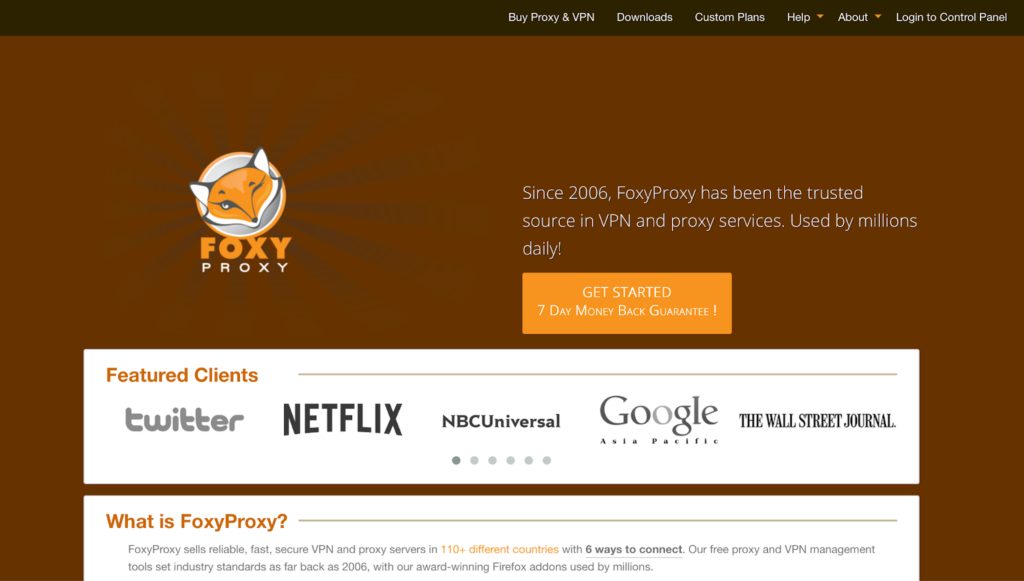
FoxyProxy serves as a solid open-source tool for managing proxies in Chrome and other browsers. Developed by an American company, it has been around for years, building a strong reputation among users who need advanced control. The extension replaces the browser’s basic proxy features with more options, allowing you to set patterns for when to apply proxies based on URLs or other rules. You can create multiple profiles for different situations, like one for work tasks and another for testing. It supports various proxy types and lets you import configurations from files. Many people use it to bypass restrictions or check sites from different views.
The interface is clean but might look a bit old school. Setup can take a little time if you’re new to it, but once done, switching is quick. Based in the United States, the team keeps updating it to match browser changes. It works well with open-source code, giving transparency for those who want to check or tweak it. Some find the log viewer helpful for fixing connection problems. Overall, it’s a reliable choice for folks needing precise management without extra accounts. Strengths include flexibility in rules and no need for payments. Weaknesses might involve a learning curve for beginners and lack of built-in proxy pools, so you provide your own.
- Key features: Pattern matching for URLs, multiple profile support, SOCKS5 compatibility.
- Accurate data and information: Works with many proxy providers, open-source code for transparency.
- Pros: Flexible rules, no account needed, logs help debug issues.
- Cons: Steeper learning curve, no automatic IP rotation.
3. ResiProx
ResiProx offers rotating residential and mobile proxy services great for data tasks and online work. It pulls from a large pool of ethical IPs across many countries, supporting HTTPS and SOCKS5 protocols. You can pick targets by country, region, city, or ISP for exact access. The service gives both rotating and sticky sessions, suiting things like scraping or handling accounts. It stands out with high uptime and quick response times, making it steady for long jobs. Some users like how it works with scripts in languages like Python or tools like Selenium.
The dynamic endpoint generator makes setup in code easy. For browser use, it pairs with extensions but doesn’t have its own built-in one. Overall, it’s a strong option for big operations with wide coverage in places like the US, Brazil, and India. Strengths lie in flexible sessions and global reach. Weaknesses could include no direct browser tool and needing extra steps for setup. No headquarters location mentioned. It focuses on ethical sourcing to keep IPs clean and avoid blocks. Many choose it for web scraping, ad checks, SEO monitoring, and market research. The support team is available around the clock for help.
- Key features: Country and city targeting, rotating or sticky options, protocol support.
- Accurate data and information: Large IP pool from many locations, high success in tasks.
- Pros: Flexible sessions, works well with scripts, global reach.
- Cons: No built-in browser tool, setup requires extra steps.
4. Proxy SwitchyOmega
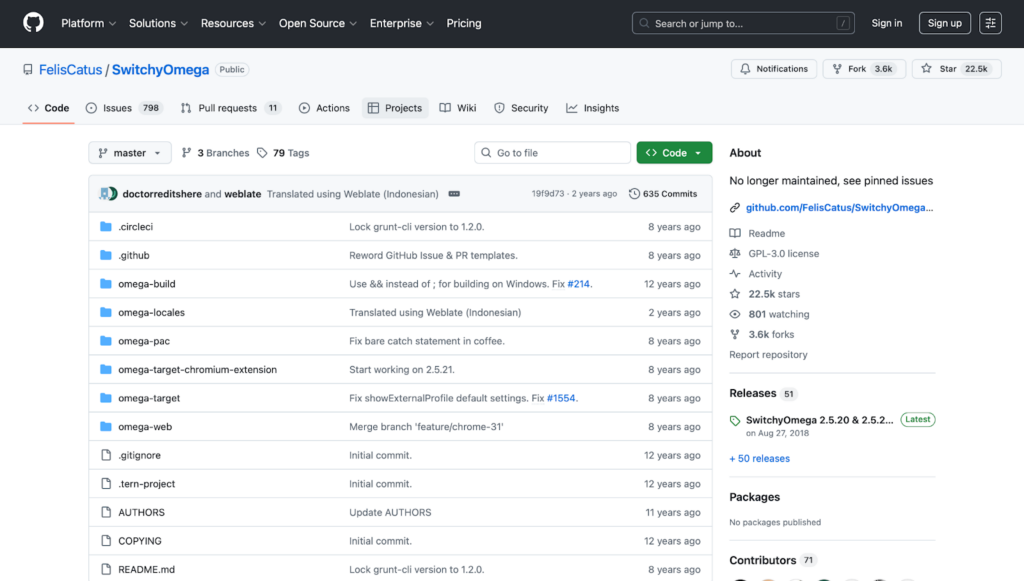
Proxy SwitchyOmega gives users rule-based switching for proxies right in Chrome. Often updated by the community as ZeroOmega now, it lets you import configs and match patterns for URLs. The extension handles various protocols and quick changes between profiles. Many folks use it to get around blocks or test websites from different spots. It includes options to export setups for sharing with others. The interface feels clean and easy to move through for most. Some appreciate how it organizes proxies well for handling several at once.
Drawbacks can include bugs popping up in updates and no included IP pools, meaning you add your own. Being open-source, community fixes keep it going strong. You can set auto-switch rules based on domains or other needs. For developers, it fits nicely into daily workflows. Overall, it’s a free pick for basic to medium-level proxy needs, with strong customization. Strengths are in its free nature and rule automation. Weaknesses might be glitches on complex setups and no premium help. No specific headquarters noted. It works without changing system settings, keeping things browser-only.
- Key features: URL pattern matching, config import/export, multi-protocol support.
- Accurate data and information: Community-driven updates, works with many browsers.
- Pros: Free and customizable, quick switches, rule automation.
- Cons: Can glitch on complex setups, no premium support.
5. Proxy Switcher and Manager
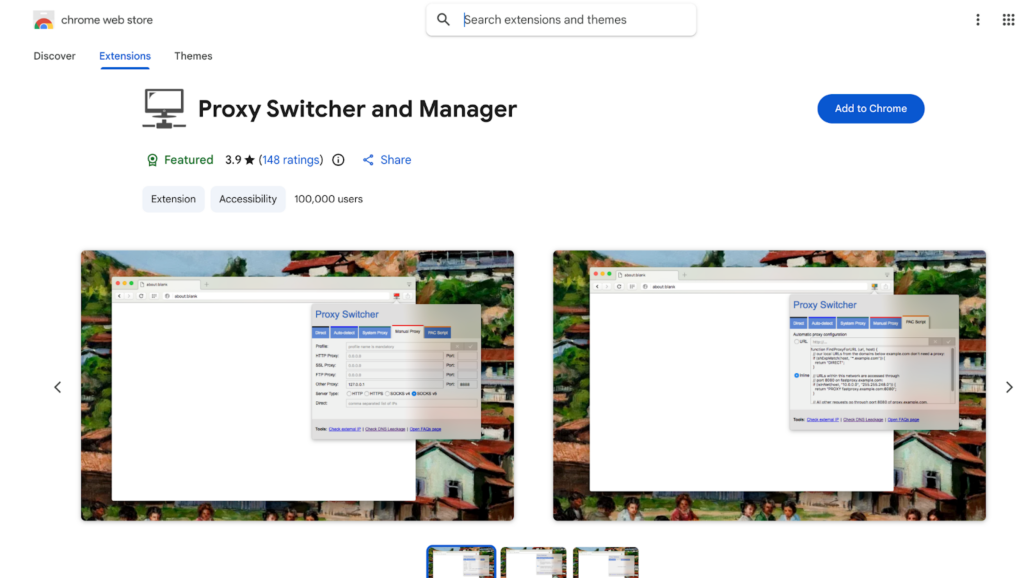
Proxy Switcher and Manager brings detailed controls to your Chrome toolbar for easy proxy handling. This open-source extension changes settings just for the browser, without touching the system’s network. It supports lists of proxies and fast enables or disables. Users can set rules for certain sites or all traffic. It’s popular for its simple way to manage multiple options. Some enjoy the color-coded status that shows active proxies at a glance. Issues might come with large lists making it slower. No built-in providers, so you enter your own details.
The pop-up menu allows quick toggles without much hassle. For those in development, it blends well into routines. Overall, a useful tool for everyday proxy switches, with profile support to store different setups. It also has inline script options and can refresh from remote sources. Strengths include an easy interface and no system impacts. Weaknesses are limited to basic features and potential slowdowns with big lists. No headquarters mentioned. It shows failed connections and reasons, helping troubleshoot. Many use it for transparent or anonymous servers searched within the tool.
- Key features: Toolbar access, rule configuration, list management.
- Accurate data and information: Open-source, supports many users.
- Pros: Easy interface, no system changes, color indicators.
- Cons: Slows with big lists, basic features only.
6. Webshare Proxy Extension
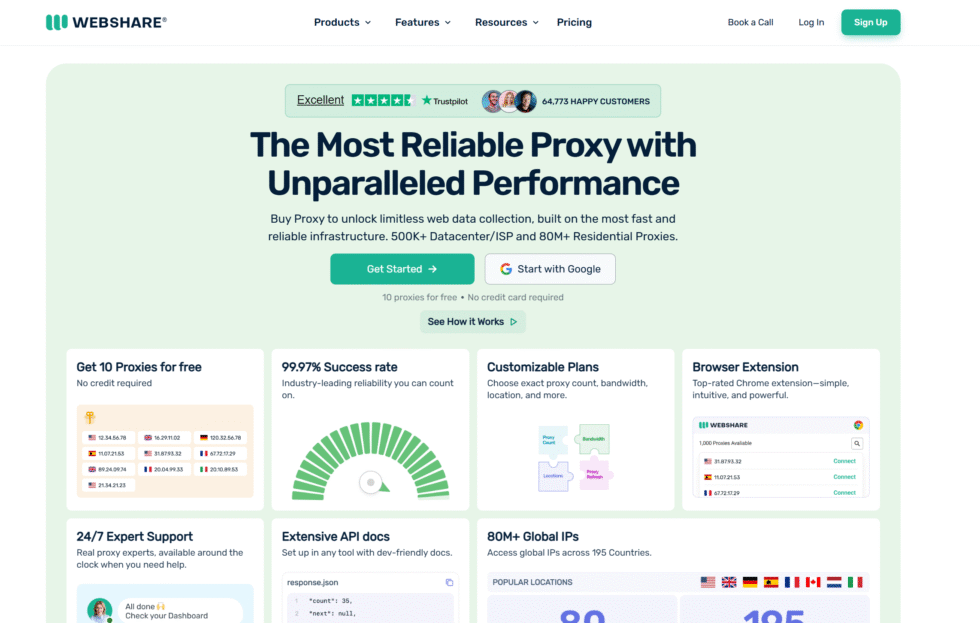
Webshare’s extension offers free proxy access directly in Chrome for quick management. It lets you add servers and switch anywhere on the web without constant logins. Users handle settings easily, supporting basic protocols and simple connections. Some use it to unblock sites or browse privately. The tool comes with quality free proxies to get started. It draws from a large global pool with high uptime. Drawbacks include limited advanced rules and possible connection drops now and then.
It’s closely tied to their service for best results, but works with others too. For fast tasks, it runs smoothly without extra steps. Overall, good for beginners seeking no-cost options, with enterprise-grade servers available. Strengths are in its free entry and simple setup. Weaknesses might be basic rules and occasional instability. No headquarters specified. It covers many locations worldwide, making it versatile for different needs. The extension installs from the store and connects in clicks after signup. Many pick it for data work or casual use.
- Key features: Quick add and switch, free proxies included.
- Accurate data and information: Tied to provider pool, easy browser use.
- Pros: No login needed, simple setup, free entry.
- Cons: Basic rules, potential drops.
7. Oxylabs Proxy Extension
Oxylabs brings a basic proxy switcher for Chrome users focused on easy toggles. It lets you switch between types and locations from the pop-up, with more controls in the dashboard. Users select cities or countries for targeting. The tool keeps connections going after browser restarts if set. Some like how it ties into their large IP network for tasks. It works with any provider, not just theirs. Weak points include being Chrome-only and minimal features in the pop-up itself.
No complex rules built into the extension. For those already in their system, it simplifies browser jobs. Overall, it suits users needing location changes without fuss. Strengths are in easy toggles and dashboard integration. Cons involve limited browser support and basic interface. No headquarters mentioned. It supports keeping sessions active for ongoing work. Many use it for scraping or verification. The free extension pairs well with residential or datacenter options.
- Key features: Location selection, persistent connections.
- Accurate data and information: From established provider, broad coverage.
- Pros: Easy toggles, dashboard integration.
- Cons: Limited to Chrome, basic pop-up.
8. Bright Data Proxy Browser Extension
Bright Data’s extension allows quick on-off switches for proxies, with choices for types and locations down to cities. It ties into their network for data tasks, letting users change settings on the fly. Some use it for scraping or ad checks. The tool supports keeping sessions active and handles multiple at once. It offers mix-and-match networks like residential, datacenter, ISP, and mobile. Issues include needing an account to start and not being fully standalone.
Strong in global options but can feel complex for newcomers. It integrates with tools for developers and scales for enterprise. Overall, a powerful pick for targeted browsing with high quality data. Strengths are flexible locations and active sessions. Cons are account required and steeper for beginners. No headquarters noted. The dashboard helps organize rules and proxies without changing browser setups. Many trust it for its wide coverage and reliability.
- Key features: Type and location picks, quick switches.
- Accurate data and information: Large network support, city-level.
- Pros: Flexible locations, active sessions.
- Cons: Account needed, steeper for beginners.
9. IPRoyal Proxy Manager
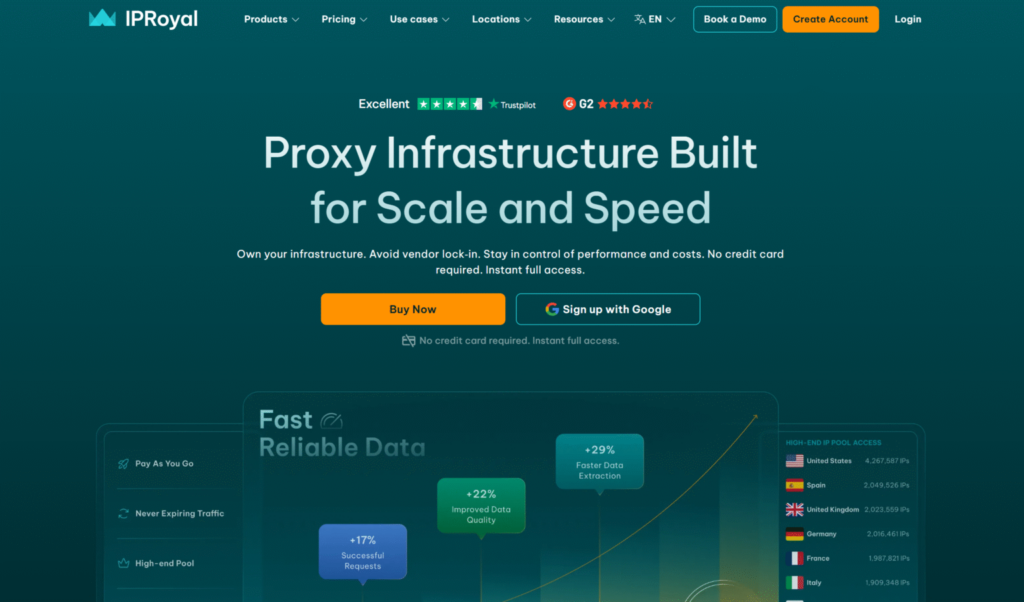
IPRoyal’s free extension sets up proxies in Chrome without problems. It manages connections for their service, supporting various types like residential or datacenter. Users toggle and test IPs easily. Some pair it with options for unblocking or privacy. The app downloads from the store and fits browsers needing proxy help. It includes a test button for quick checks. Weaknesses: Tied mostly to their proxies, basic compared to others with no URL rules.
For browser-only tasks, it does well. Overall, straightforward for their customers, with simple interface and protocol support. Strengths are ease for beginners and no extra costs. Cons include provider-specific limits and lack of advanced rules. No headquarters mentioned. Compatible with HTTP and SOCKS, it makes disabling easy. Many use it for streaming or research.
- Key features: Quick connect, test button, protocol support.
- Accurate data and information: Free download, service-integrated.
- Pros: Easy for beginners, no extra costs.
- Cons: Provider-specific, no rules.
10. Proxy Helper
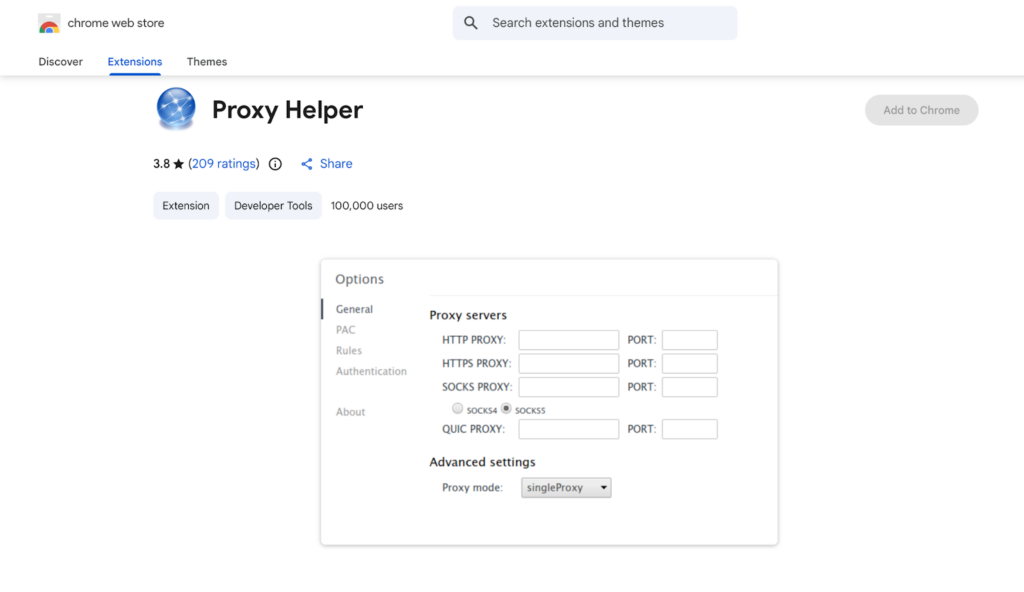
Proxy Helper keeps proxy management simple by handling settings just in the browser. It avoids system-wide changes, letting you add addresses and ports fast. Users switch for basic needs without extras. The extension shows status clearly in the toolbar. It’s lightweight and doesn’t bog down browsing. Some use it for quick tests or light privacy.
Weaknesses: Lacks advanced features like patterns or logs. Good for casual setups where you don’t need much. Overall, a minimal tool for straightforward proxy use, supporting HTTP and SOCKS. Strengths are fast setup and no impact on the system. Cons are its basic nature and no added bells. No headquarters specified. It disables easily when not needed. Many pick it for everyday switches without complexity.
- Key features: Browser-only changes, status display.
- Accurate data and information: Lightweight, simple use.
- Pros: Fast setup, no system impact.
- Cons: Basic, no extras.
11. uVPN
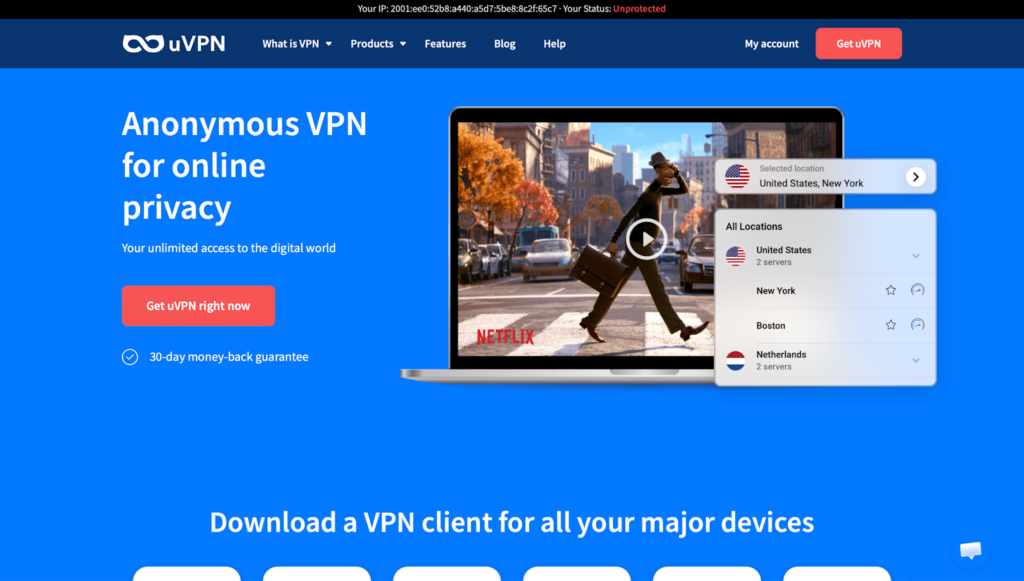
uVPN acts as a proxy master for unblocking and privacy in Chrome. It secures traffic and changes IPs often for fresh access. Users connect with one click from the toolbar. Some like the built-in servers for quick starts. The extension focuses on basics like site access and data safety. It supports private sessions and works for streaming or gaming. Weaknesses: Limited server choices, occasional disconnects.
For everyday use, it provides value without logs. Overall, an entry-level option for simple needs, with high-speed connections. Strengths are ease of use and built-in options. Cons include fewer servers and possible drops. No headquarters mentioned. It hides your IP to protect info like passwords or history. Many use it on public Wi-Fi or to reach blocked content.
- Key features: One-click connect, IP changes.
- Accurate data and information: Daily updates, privacy focus.
- Pros: Easy to use, built-in options.
- Cons: Fewer servers, possible drops.
12. HydraProxy

HydraProxy delivers a straightforward Chrome extension focused on easy proxy management. It lets users add, delete, and switch proxies with instant one-click connections, working seamlessly with any proxy provider. Designed for professionals like developers, QA teams, cybersecurity experts, and research groups, it helps configure network routing right in the browser for testing, diagnostics, and operations. The tool supports handling multiple environments, debugging sessions, performance checks, and secure setups without extra hassle.
It’s 100% free, with no subscriptions or limits, fitting well for tasks like website testing, quality assurance, market analytics, and fraud prevention. Users value its clean interface that cuts down on complexity, promoting compliant network practices. Weaknesses could involve sticking to core functions, possibly missing advanced automation or detailed rules for more complex scenarios. Overall, a solid, no-cost option for efficient proxy switches in Chrome. No headquarters mentioned. It emphasizes responsible use, making it great for teams needing quick, reliable control.
- Key features: Add/delete/switch proxies, one-click connection, broad provider compatibility.
- Accurate data and information: Completely free with no limits, supports professional workflows.
- Pros: No fees, user-friendly interface, ideal for teams.
- Cons: Focused on basics, lacks advanced rules.
13. Decodo
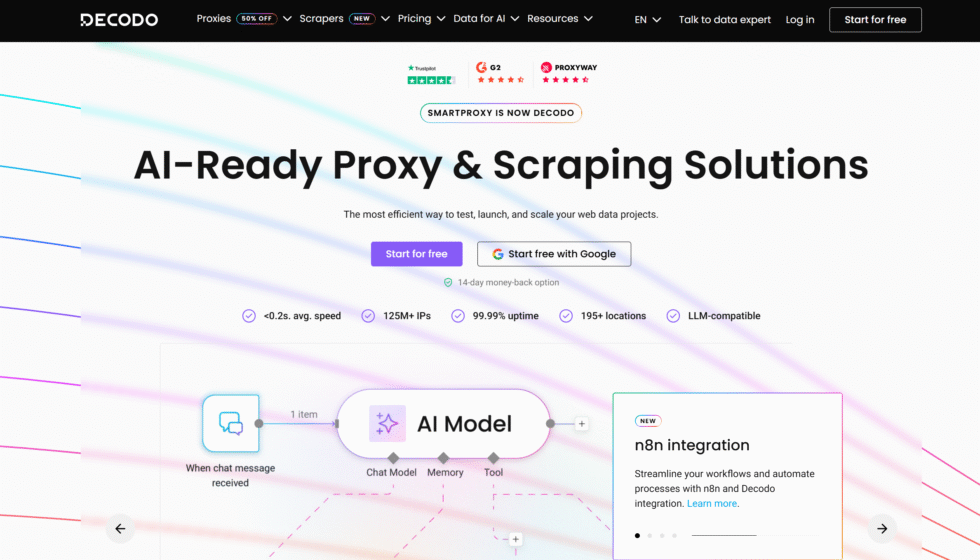
Decodo Chrome Extension is free and works with all proxy types and providers. It offers one-click IP rotation, customizable session lengths, and switches between proxies. Users set how long to keep the same IP. It supports HTTP and HTTPS, including services like Bright Data. Some find it helpful for advanced browsing with rotation.
The tool integrates well for data activities. Weaknesses: May require setup for full use, no deep rules. Overall, a versatile add-on for proxy journeys. Strengths are in rotation and session control. Cons include being tied to providers for best results. No headquarters mentioned. It complements other tools for web collection.
- Key features: IP rotation, session length set, switches.
- Accurate data and information: Supports many types, free use.
- Pros: Customizable sessions, easy rotation.
- Cons: Setup needed, basic rules.
14. Rayobyte
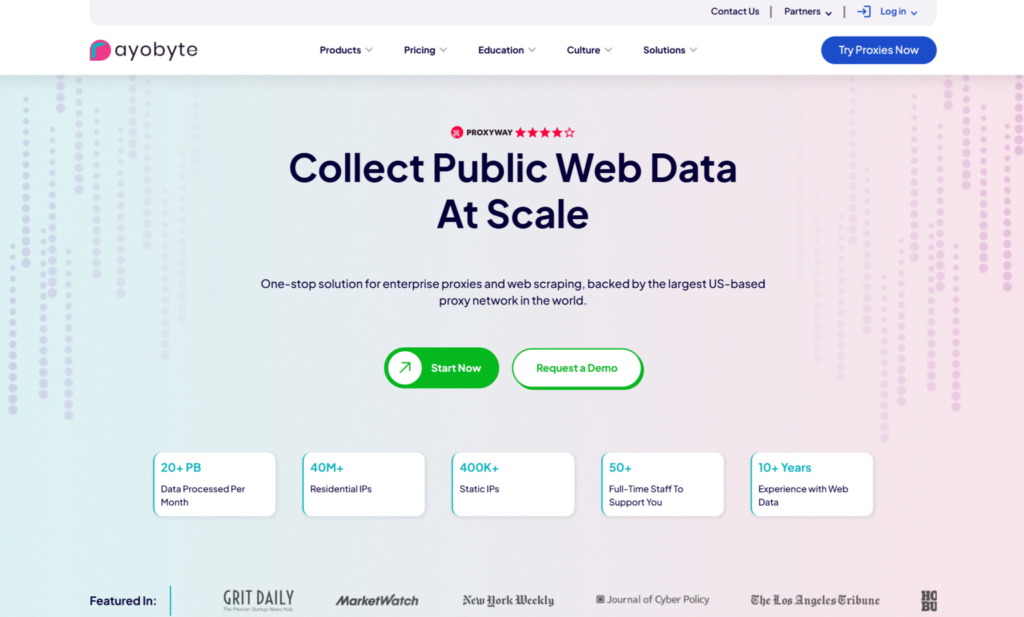
Rayobyte Proxy Extension makes managing proxies effortless in Chrome. It supports residential, mobile, and datacenter IPs with HTTP and SOCKS. Users connect to countries to bypass blocks, creating multiple profiles. One-click setup hides your location for privacy. Some use it for secure browsing or testing. The free version has essentials, with support around the clock.
Weaknesses: Compatible with any provider but best with theirs, no complex automation. Overall, ideal for beginners and advanced users alike. Strengths are in ease and unlimited profiles. Cons involve potential need for paid features. No headquarters noted. It works on any Chrome device with frequent updates.
- Key features: Profile support, country connect, protocol compatibility.
- Accurate data and information: Global access, privacy focus.
- Pros: Quick setup, unlimited profiles.
- Cons: Best with own service, basic automation.
Benefits of Proxy Extensions in Daily Browsing
Proxy extensions help protect your online habits. They mask your IP, making it harder for sites to track you. This comes in handy for research or shopping without targeted ads. Many people use them to view content from other regions, like news or videos. They also aid in testing web apps by simulating different users. Pair with static residential proxies for consistent access. Some extensions block malware too. In 2026, with more online threats, these tools add safety. They work without slowing your browser much if chosen right.
Trends in Proxy Technology for 2026
This year sees more focus on ethical IP sourcing. Providers stress clean networks to avoid bans. Mobile 5G options grow for app testing. AI helps optimize rotations for better success. Users want seamless API ties for automation. Security features like encryption rise. Some tools now include session logs for review. Global coverage expands to more areas. These shifts make proxies more reliable for work.
FAQ
What should I look for in a top Chrome proxy addon?
A solid Chrome proxy addon needs simple controls for adding and switching IPs without complicating your setup. It should handle various protocols to match different tasks, like browsing or data collection. Compatibility with premium IP pools, such as those from residential proxies, ensures steady connections. User feedback often highlights addons that update regularly to stay ahead of browser changes.
How do browser proxy managers differ from full VPNs?
Browser proxy managers focus on routing just your Chrome traffic, keeping other apps unaffected for lighter use. They excel in quick switches for specific sites, unlike VPNs that secure the whole device. For tasks like unblocking content, managers pair well with options like mobile proxies without the overhead of full encryption. This makes them ideal for targeted privacy without impacting overall speed.
Can I use free proxy extensions safely?
Free proxy extensions offer basic access but often come with risks like data logging, so stick to those from trusted sources. Combining them with ethical IP sources adds a layer of reliability. Always test for leaks and avoid sharing sensitive details. Regular checks help maintain security during everyday browsing.
Why might a proxy extension fail to connect?
Connection issues can stem from incorrect IP details or outdated extension versions clashing with Chrome updates. Clearing your browser cache or restarting often resolves minor glitches. For persistent problems, ensuring compatibility with services can stabilize things. Network firewalls sometimes block ports, so verify settings match the protocol used.
What types of proxies pair best with Chrome extensions?
Residential and mobile proxies integrate smoothly with Chrome extensions for natural browsing patterns. They support tasks requiring high uptime, like research or testing. Options such as 4G & 5G proxies provide mobile-like connections that enhance versatility. Choosing based on your needs ensures better performance without interruptions.