
Proxy session types play a big role in how you handle online connections. Sticky sessions keep the same IP address for a set time, which helps with tasks needing steady access. Per-request rotation changes the IP with every new ask, making it great for avoiding blocks. If you’re scraping data or managing accounts, knowing these differences matters.
Check out our rotating residential proxies for flexible options, or try static residential proxies when you need consistency. For mobile needs, our rotating mobile proxies offer strong performance. These choices let you match your setup to specific goals without hassle.
What Are Proxy Sessions?
A proxy session refers to the way a proxy server handles your connection over time. It decides if your IP stays the same or switches during use. This setup affects speed, anonymity, and success in tasks like browsing or data collection.
Proxies act as middlemen between your device and the internet. They hide your real IP and route traffic through another address. Sessions come into play when you make repeated requests. Some keep things steady, while others mix it up to dodge detection.
Think of it like driving a car. A steady route gets you there without stops, but changing paths avoids roadblocks. Proxy sessions work similarly for online actions.
Many users pick sessions based on their goals. For example, if you handle social media, a consistent connection prevents logouts.
Sessions tie into proxy types too. Residential ones mimic home IPs, datacenter versions run faster from servers. Each can use different session styles.
Sticky Sessions Explained
Sticky sessions hold onto one IP address for a fixed period. This creates a persistent link, like staying on the same phone line during a call. The IP doesn’t change until the time runs out or you end the session.
Providers set the duration, often minutes long. During that window, all your requests go through that single IP. This mimics natural user behavior, where one person sticks with their home connection.
Why use them? They help with sites that track sessions via cookies or logins. Switching IPs mid-task can trigger alerts or force re-logins. Sticky setups avoid that mess.
Drawbacks exist though. If the site spots odd patterns from that IP, it might block it. Then you’re stuck until the session refreshes.
Sticky sessions shine in scenarios needing continuity. They reduce interruptions in workflows and keep IPs dedicated, boosting sticky performance.
Per-Request Rotation Explained
Per-request rotation swaps the IP with each new connection. Every time you send a request, the proxy pulls a fresh address from its pool. This happens automatically, no manual tweaks needed.
The process pulls from a large set of IPs, often residential or mobile ones. It spreads your activity across many addresses, making it hard for sites to spot patterns.
This method excels at high-volume tasks. Sites with strict limits see requests as coming from different users. No single IP gets overloaded or flagged quickly.
On the flip side, it can break sessions needing continuity. Logins or multi-step forms might reset with each IP change.
Per-request rotation fits well for evading anti-bot systems. It distributes load evenly.
Key Differences Between Sticky and Per-Request Rotating Sessions
Sticky and per-request rotating sessions differ in IP handling, use cases, and risks.
Sticky keeps one IP for the whole session. Rotating changes it every request.
For anonymity, rotating wins by spreading activity. Sticky offers better session stability.
Speed varies too. Sticky might feel faster without constant switches. Rotating could slow if the pool has laggy IPs.
Detection risk: Sticky faces blocks if overused. Rotating dodges that but might trip advanced trackers.
Cost often ties to bandwidth or requests. Some providers charge similarly for both.
Here’s a table comparing them:
| Feature | Sticky Sessions | Per-Request Rotation |
| IP Change | None during session | Every request |
| Best For | Account management, forms | Data scraping, bulk access |
| Anonymity Level | Moderate | High |
| Stability | High for continuous tasks | Lower for sessions |
| Risk of Blocks | Higher if IP flagged | Lower due to variety |
Advantages of Sticky Sessions
Sticky sessions provide reliable connections for tasks that need ongoing access. You avoid disruptions from IP changes, which keeps workflows smooth.
They work well with sites using session cookies. Your actions stay linked to one identity, reducing errors.
Cost-wise, they can save bandwidth since fewer switches mean less overhead.
Many tasks like online shopping or form filling benefit from this consistency. No need to restart processes.
Drawbacks? Less ideal for evading strict monitors. But paired right, they perform strong.
Advantages of Per-Request Rotation
Per-request rotation boosts anonymity by cycling IPs constantly. This makes tracking your activity tough for websites.
It handles large-scale operations without hitting per-IP limits. Spread requests wide to pull more data fast.
Flexibility stands out. Adjust to different needs without session breaks.
Some users face higher costs from frequent changes, but efficiency often balances it.
Ideal for competitive research or ad checks. Dodge blocks while gathering info.
Our rotating datacenter proxies deliver these perks affordably.
When to Use Sticky Sessions
Pick sticky sessions for tasks requiring a stable identity. Account logins benefit, as IP consistency prevents security flags.
Multi-step processes like registrations or payments flow better without interruptions.
Social media management thrives here. Handle multiple profiles without logouts.
E-commerce testing needs this too. Simulate real user shopping without resets.
If your work involves session-based authenticity, sticky fits.
When to Use Per-Request Rotation
Go for per-request rotation in high-anonymity scenarios. Web scraping large sites demands it to avoid bans.
Bulk data collection spreads risk across IPs.
Ad verification checks many sources without patterns.
Market research pulls varied info stealthily.
When blocks are common, this evades them.
Our rotating residential proxies suit these perfectly.
How to Choose the Right Session Type for Your Needs
Assess your goals first. Need stability? Go sticky. Want evasion? Pick rotation.
Consider volume. High requests favor rotation.
Think about the target site. Strict ones need rotation.
Budget matters. Match costs to benefits.
Test both if possible. See what works.
Tools help decide. Our dashboard lets you switch easily.
Why Choose ProxyEmpire for Your Proxy Needs
ProxyEmpire stands out with flexible session options across proxy types. We offer both sticky and per-request rotation, tailored to your projects.
Our network includes ethical IPs for reliable performance. Switch sessions seamlessly via dashboard.
Many users find our setups outperform others in speed and uptime.
For sticky, use our static options. Rotation shines with vast pools.
We support various integrations for easy use.
ProxyEmpire – Best Proxy Session Types
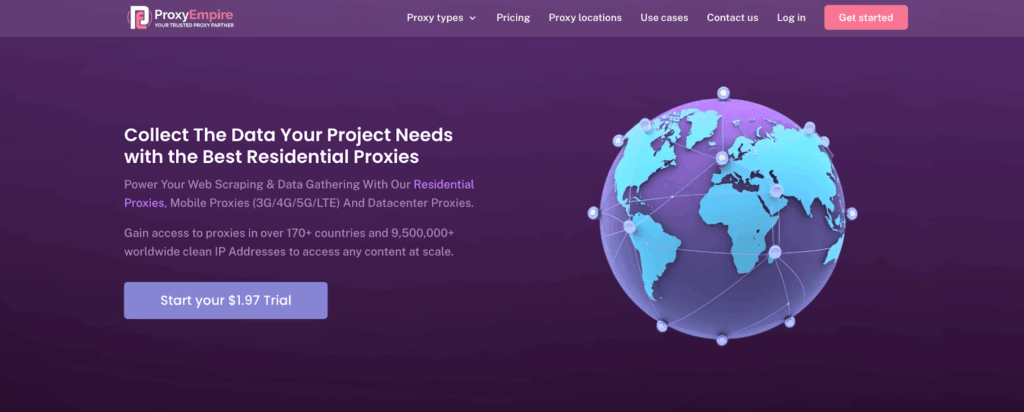
ProxyEmpire is a premium proxy service provider designed to empower web scraping, data collection, and unrestricted internet access through a vast network of ethically sourced residential, mobile, and datacenter proxies. Below is a detailed description based on the provided information:
Overview of ProxyEmpire
ProxyEmpire offers a comprehensive suite of proxy solutions tailored for individuals, businesses, and developers seeking reliable, high-performance tools for data gathering and privacy protection. With over 30 million clean IP addresses spanning 170+ countries, ProxyEmpire provides unparalleled global coverage, ensuring users can access content at scale with a 99.9% uptime and lightning-fast response times (as low as 0.6 seconds).
Proxy Types and Features:
🏘️ Rotating Residential Proxies
Key Benefits
- Global Reach: Access to over 30 million IPs worldwide, covering every major region, with precise targeting options (country, city, state, ASN/ISP).
- High Reliability: A 99.86% uptime ensures uninterrupted service, supported by patented technology for enhanced speed and security.
- Ethical Sourcing: Proxies are responsibly harvested, ensuring quality and compliance.
- Versatile Use Cases: Supports web scraping, price monitoring, sneaker copping, SEO tracking, ad verification, and more.
- Integration-Friendly: Compatible with standard proxy protocols (HTTP, SOCKS5) and third-party tools like Multilogin, Dolphin Anty, Kameleo, Octobrowser, and Gologin.
- No Hidden Fees: Transparent pricing with all features included, starting at a $1.97 trial.
Use case:
FAQ
What makes sticky sessions better for certain tasks?
Sticky sessions maintain a single IP address over multiple requests, which supports consistent identity in activities like filling out forms or managing accounts. This approach reduces the chance of session breaks that could happen with frequent IP changes, allowing smoother completion of multi-step processes. In scenarios involving cookies or user-agent tracking, sticky options align well with how websites expect natural behavior from visitors. For tasks using static residential proxies, this stability enhances reliability without added complexity.
How does per-request rotation help avoid detection?
Per-request rotation assigns a fresh IP from a large pool for each connection, distributing traffic so no single address draws attention from monitoring systems. This method handles high-volume requests by cycling addresses automatically, making patterns harder to spot compared to using one IP repeatedly. It fits well for operations where spreading activity prevents hitting limits on individual IPs. When paired with rotating residential proxies, it adds layers of variety to keep interactions discreet.
Can I switch between session types easily?
Switching session types often involves simple adjustments in proxy settings, such as through a dashboard or authentication details. Users can select durations for sticky periods or opt for immediate rotations based on the current project requirements. This flexibility lets you adapt quickly without disrupting ongoing work. Exploring integrations can show how tools connect seamlessly with these options.
What proxy types work with these sessions?
Residential proxies support both sticky and rotating sessions effectively, offering authentic addresses that blend with regular traffic. Mobile proxies add mobility to rotations, while datacenter ones provide speed for quick IP cycles in demanding setups. ISP proxies balance performance across session styles, suiting varied needs.
Are there costs differences between the two?
Costs for sticky and rotating sessions generally depend on bandwidth usage or request volume rather than the type itself. Sticky setups might involve less overhead from constant IP selections, while rotations could add minor processing for pool management. Factors like proxy infrastructure influence the overall pricing structure.