Mobile proxies play a key role in penetration testing and security audits. They help security pros mimic real mobile traffic to spot weaknesses in systems. By routing requests through actual cellular networks, these proxies make tests feel like everyday user actions. This approach uncovers issues that standard methods might miss. For teams handling mobile proxies in audits, the right setup ensures accurate results without raising flags.
Think about how rotating mobile proxies change IPs often, keeping tests fresh and hard to detect. Or consider dedicated mobile proxies, which offer steady connections for deep dives into app behaviors. These tools fit right into workflows where spotting flaws early keeps data safe.
Get started with reliable mobile proxies for your penetration testing needs at ProxyEmpire.
What Are Mobile Proxies and How Do They Work?
Mobile proxies act as middlemen between your device and the internet, using IPs from cell carriers. Unlike datacenter options, they pull from real phones on networks like 4G or 5G. This setup hides your true location and makes traffic look normal.
Here’s the basic flow: You send a request through the proxy. It grabs an IP from a mobile pool and forwards it. The site sees it as coming from a phone user. Responses come back the same way. This process helps in tasks where blending in matters.
Many pros pick them for their natural feel. They rotate IPs based on time or requests, dodging blocks. For security work, this means testing without interruptions. If you’re into web scraping during audits, mobile proxies keep things smooth.
Why Use Mobile Proxies in Penetration Testing?
Penetration testing, or pentesting, checks systems by acting like attackers. Mobile proxies shine here by creating realistic scenarios. They let you probe apps and sites as if from phones around the world.
One big reason: They bypass filters that spot fake traffic. Standard IPs get flagged fast, but mobile ones slip through. This allows deeper checks on mobile apps, APIs, and networks.
In practice, set up a tool like Burp Suite with a mobile proxy. Intercept requests, tweak them, and see how the system reacts. This reveals spots for injections or leaks. According to a cybersecurity blog from CM Alliance, such proxies enable thorough checks across network types.
Teams use them to test mobile-specific flaws, like session handling on the go. If your work involves Android or iOS apps, these proxies make audits true to life.
Key Benefits for Security Audits
Security audits review whole systems for risks. Mobile proxies add value by simulating diverse user paths. They help spot gaps in access controls and data handling.
A top benefit: Anonymity during scans. Your team’s IP stays hidden, reducing backlash from targets. This keeps audits ethical and focused.
They also aid in verifying ad setups or fraud checks, common in audits. By mimicking phone users, you test how well defenses hold up.
Some audits involve multi-region checks. Mobile proxies switch locations easily, covering global compliance needs. This ensures your findings apply broadly.
In comparisons, mobile proxies outperform others in trust levels. Datacenter types often fail in strict environments, while residential ones lack the mobile edge.
Setting Up Mobile Proxies for Testing
Getting started is straightforward. First, pick a provider with strong mobile options. Sign up and grab your proxy details, like host, port, and auth info.
On your testing machine, configure tools to use the proxy. For example, in Burp Suite, go to proxy settings and input the details. On mobile devices, adjust Wi-Fi to route through it.
For Android, install a cert if needed for HTTPS. iOS has similar steps via profiles. Test with a simple site to confirm traffic flows.
Troubleshoot by checking rotations. If stuck, refresh the proxy pool. Tools like OWASP ZAP work well too, letting you modify traffic on the fly.
Integrate with scripts for automated tests. Python with requests library can handle proxy setups easily.
Best Practices for Ethical Use
- Always get permission before testing. Ethical guidelines stress consent to avoid legal issues.
- Keep logs of your actions. This proves your work stays within bounds.
- Rotate proxies wisely to mimic real patterns. Overuse can tip off systems, skewing results.
- Focus on data privacy. Handle any captured info securely, deleting it after audits.
- Train your team on limits. Know when to stop if something feels off.
- Pair with other tools for full coverage. Combine proxies with scanners for better outcomes.
- If audits touch social platforms, review social media proxies for extra tips.
Comparing Mobile Proxy Types for Security Work
Different proxies suit various needs. Here’s a table to break it down:
| Proxy Type | Key Traits | Fit for Pentesting | Fit for Audits |
| Rotating Mobile | Changes IPs often, from cell networks | High, evades detection | Good, diverse scenarios |
| Dedicated Mobile | Fixed IP per session, reliable speed | Medium, for targeted probes | High, consistent checks |
| Residential | Home-based IPs, natural but slower | Medium, general use | Good, broad coverage |
| Datacenter | Fast, cheap, but easy to spot | Low, often blocked | Low, less realistic |
Mobile types win for realism in security tasks. They blend in better than others.
When picking, favor those with clean pools. Dirty IPs ruin tests fast.
Why Choose ProxyEmpire for Your Needs
ProxyEmpire delivers top mobile proxies tailored for security pros. Their pools come from real carriers, ensuring high success in tests.
- Features include easy rotation controls and strong uptime. This means fewer hiccups during audits.
- They support multiple countries, perfect for global checks. Setup is quick, with guides for common tools.
- In comparisons, ProxyEmpire edges out others with better pool quality. Users report smooth experiences in pentesting.
- Their plans fit teams of all sizes. Plus, customer support helps with custom setups.
Boost your security audits with ProxyEmpire’s mobile proxies now.
ProxyEmpire – Best Mobile Proxies for Penetration Testing and Security Audits In 2026
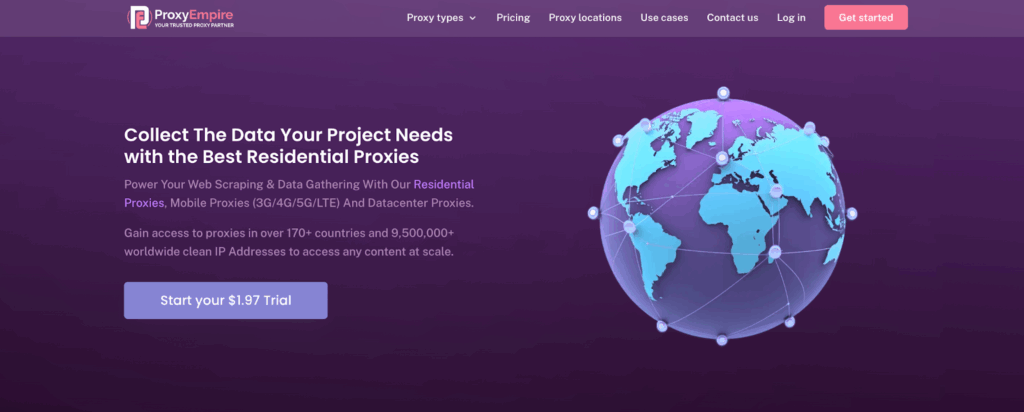
ProxyEmpire is a premium proxy service provider designed to empower web scraping, data collection, and unrestricted internet access through a vast network of ethically sourced residential, mobile, and datacenter proxies. Below is a detailed description based on the provided information:
Overview of ProxyEmpire
ProxyEmpire offers a comprehensive suite of proxy solutions tailored for individuals, businesses, and developers seeking reliable, high-performance tools for data gathering and privacy protection. With over 30 million clean IP addresses spanning 170+ countries, ProxyEmpire provides unparalleled global coverage, ensuring users can access content at scale with a 99.9% uptime and lightning-fast response times (as low as 0.6 seconds).
Proxy Types and Features:
🏘️ Rotating Residential Proxies
Key Benefits
- Global Reach: Access to over 30 million IPs worldwide, covering every major region, with precise targeting options (country, city, state, ASN/ISP).
- High Reliability: A 99.86% uptime ensures uninterrupted service, supported by patented technology for enhanced speed and security.
- Ethical Sourcing: Proxies are responsibly harvested, ensuring quality and compliance.
- Versatile Use Cases: Supports web scraping, price monitoring, sneaker copping, SEO tracking, ad verification, and more.
- Integration-Friendly: Compatible with standard proxy protocols (HTTP, SOCKS5) and third-party tools like Multilogin, Dolphin Anty, Kameleo, Octobrowser, and Gologin.
- No Hidden Fees: Transparent pricing with all features included, starting at a $1.97 trial.
Use case:
Common Challenges and Solutions
- Tests can hit snags like cert issues. Solution: Install the proxy’s CA on devices.
- Slow speeds? Opt for dedicated lines to cut lag.
- Blocks happen if patterns look odd. Mix up user agents and timings.
- API limits in audits? Use proxies to spread requests.
- Stay updated on carrier changes. Providers like ProxyEmpire handle this.
Future Trends in Proxy Use for Security
- Tech evolves, so proxies adapt. Expect more 5G integration for faster tests.
- AI might automate proxy management, spotting optimal IPs.
- Regulations could tighten on data use, pushing ethical providers forward.
- Mobile threats grow, making proxies vital for proactive audits.
Frequently Asked Questions
What makes mobile proxies ideal for penetration testing?
Mobile proxies stand out in penetration testing because they route traffic through cellular networks, creating scenarios that closely match how users interact with apps on the move. This helps reveal vulnerabilities in handling dynamic connections, such as issues with session management across different carriers. When using tools like Burp Suite with rotating mobile proxies, testers can inspect elements like API parameters without triggering common defenses. Their ability to switch IPs naturally supports prolonged sessions, aiding in thorough examinations of mobile-specific features.
How do mobile proxies differ from residential ones in audits?
Mobile proxies draw from cellular IPs, offering a dynamic quality that makes them harder for systems to flag during security audits focused on portable devices. In contrast, residential proxies connect through home-based networks, providing a steadier setup suited for simulating stationary user behaviors. For audits involving app performance under varying conditions, mobile options excel at replicating on-the-go traffic patterns. Residential types often handle broader location coverage better, but mobile proxies bring an edge in authenticity for phone-related checks.
Can I use mobile proxies for automated security scans?
Mobile proxies integrate well with automation tools, allowing scripts to run scans that mimic real device interactions without easy detection. Pairing them with frameworks like Selenium enables hands-off testing of web and app elements across multiple sessions. This approach supports parallel operations, where dedicated mobile proxies maintain consistent speeds for detailed vulnerability assessments. Compatibility checks ensure smooth runs, especially when dealing with geo-specific or carrier-based restrictions in scans.
What should I look for in a mobile proxy provider for security work?
A reliable provider should offer clean IP pools from actual carriers to minimize disruptions in security tasks. Features like customizable rotation and strong encryption protocols help protect data during audits. ProxyEmpire includes options for various locations through their all locations setup, supporting global testing needs. Solid integration capabilities with common tools also matter for seamless workflows.
Are there risks in using proxies for audits?
Proxies can introduce chances of data interception if connections lack proper encryption, potentially exposing sensitive information during tests. Without clear permissions, their use might lead to legal complications or ethical concerns in audit processes. Misconfigurations could allow unintended access to systems, heightening vulnerability risks. Choosing secure setups and following best practices reduces these issues in security work.
Secure your penetration testing with ProxyEmpire’s trusted mobile proxies today.