

In 2026, finding reliable yet affordable datacenter proxies can make a big difference for tasks like web scraping or managing online activities. These proxies come from server-based IPs, offering speed and stability without breaking the bank. Discover the best cheap datacenter proxies in 2026, featuring top providers with reliable performance for web scraping and data tasks.
What Are Datacenter Proxies?
Datacenter proxies act as intermediaries between your device and the internet, using IP addresses from data centers rather than home networks. They route your requests through servers, which helps in tasks that need fast responses. Unlike other types, they focus on volume and speed, making them a go-to choice for handling large amounts of data. Providers often include features like protocol support for HTTP, HTTPS, and SOCKS5 to fit different setups. This setup ensures smooth operations for users who prioritize efficiency.
Benefits of Cheap Datacenter Proxies
Affordable datacenter proxies deliver strong value by combining low costs with solid performance. They support unlimited concurrent connections, which lets you run multiple tasks at once without slowdowns. High uptime, often around 99.9%, keeps things running smoothly day and night. Users benefit from quick response times, sometimes as low as 0.6 seconds, ideal for time-sensitive work. Plus, they handle protocols like SOCKS5 for secure connections. Many come with rollover data options, so unused bandwidth carries over. This makes them practical for scaling up without extra hassle.
Best Cheap Datacenter Proxies in 2026
1) ProxyEmpire – Best Cheap Datacenter Proxies In 2026
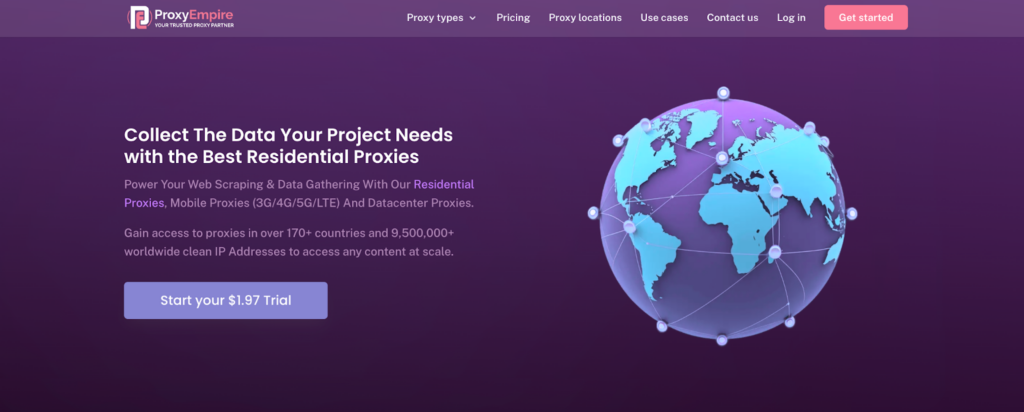
ProxyEmpire is a premium proxy service provider designed to empower web scraping, data collection, and unrestricted internet access through a vast network of ethically sourced residential, mobile, and datacenter proxies. Below is a detailed description based on the provided information:
Overview of ProxyEmpire
ProxyEmpire offers a comprehensive suite of proxy solutions tailored for individuals, businesses, and developers seeking reliable, high-performance tools for data gathering and privacy protection. With over 30 million clean IP addresses spanning 170+ countries, ProxyEmpire provides unparalleled global coverage, ensuring users can access content at scale with a 99.9% uptime and lightning-fast response times (as low as 0.6 seconds).
Proxy Types and Features:
🏘️ Rotating Residential Proxies
Key Benefits
- Global Reach: Access to over 30 million IPs worldwide, covering every major region, with precise targeting options (country, city, state, ASN/ISP).
- High Reliability: A 99.86% uptime ensures uninterrupted service, supported by patented technology for enhanced speed and security.
- Ethical Sourcing: Proxies are responsibly harvested, ensuring quality and compliance.
- Versatile Use Cases: Supports web scraping, price monitoring, sneaker copping, SEO tracking, ad verification, and more.
- Integration-Friendly: Compatible with standard proxy protocols (HTTP, SOCKS5) and third-party tools like Multilogin, Dolphin Anty, Kameleo, Octobrowser, and Gologin.
- No Hidden Fees: Transparent pricing with all features included, starting at a $1.97 trial.
Use case:
2. ResiProx
ResiProx offers datacenter proxies known for their quick setup and broad compatibility. The service pulls from a large IP pool, ensuring variety in connections. It supports HTTPS and SOCKS5 protocols, making it easy to integrate with scripts or browsers. Average response times hover under 0.3 seconds, which helps in fast-paced environments. Uptime sits at 99.9%, providing dependable access. Users can choose between rotating and sticky sessions for different needs. The platform covers over 180 countries, though focus remains on performance rather than specifics. Strengths include premium IP quality and unlimited concurrent sessions, ideal for scaling operations. However, some find the dashboard less intuitive for complex customizations. Potential issues arise with occasional session drops during peak hours, but support responds quickly.
- Key Features: HTTPS/SOCKS5 support, rotating and sticky sessions.
- Accurate Data and Information: 99.9% uptime, <0.3s response time, 99.9% success rate.
- Pros: Unlimited sessions, fast integration with tools like Selenium.
- Cons: Dashboard could be more user-friendly for advanced setups.
3. Webshare
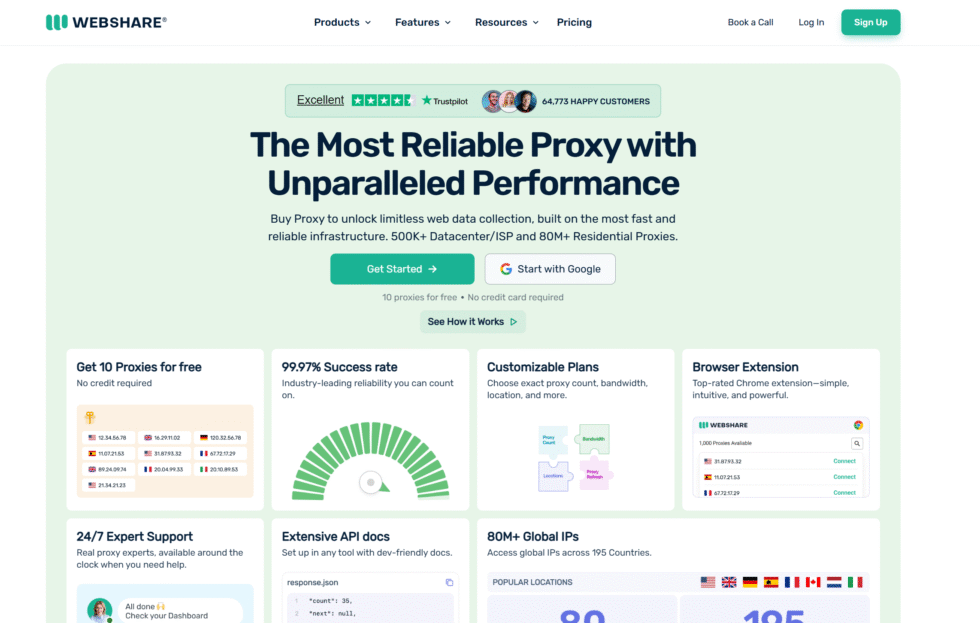
Webshare provides datacenter proxies with a focus on flexibility and self-service options. It offers shared and dedicated IPs from various data centers, allowing customization based on project scale. The service includes HTTP and SOCKS5 protocols for broad compatibility. Response times are quick, often under a second, supporting efficient data handling. Uptime is reliable at around 99.99%, minimizing downtime. Users can access a large pool of IPs, which helps in rotating connections to maintain anonymity. Strengths lie in its affordable entry points and easy dashboard for managing proxies. Weaknesses include limited advanced targeting compared to premium options. Some users report occasional IP blocks on strict sites, requiring more frequent rotations.
- Key Features: Shared/dedicated IPs, HTTP/SOCKS5, customizable plans.
- Accurate Data and Information: 99.99% uptime, sub-second response times.
- Pros: Easy self-service, scalable for small to medium tasks.
- Cons: May face blocks on high-security websites.
4. Decodo
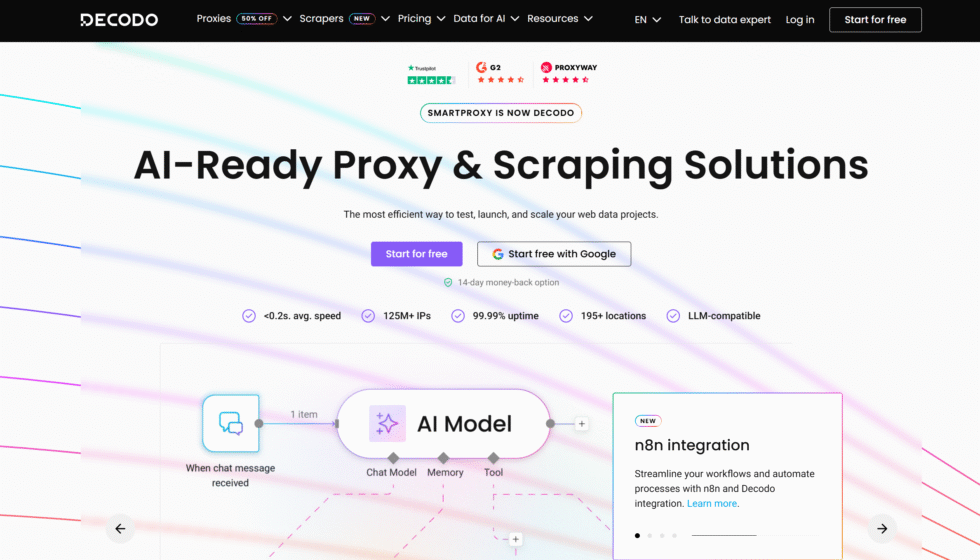
Decodo, formerly Smartproxy, delivers datacenter proxies tailored for web scraping and similar activities. It features shared proxies from a vast network, with options for dedicated access in select areas. Protocols include HTTP and HTTPS, ensuring secure connections. Success rates reach 99.99%, with low latency for smooth performance. The service covers multiple countries, though it’s strongest in the US for dedicated setups. Strengths encompass strong customer support and flexible plans. Drawbacks involve higher detection risks on some platforms due to shared nature. Users sometimes note variability in speed during heavy usage.
- Key Features: Shared/dedicated proxies, HTTP/HTTPS support.
- Accurate Data and Information: 99.99% success rate, low latency.
- Pros: Good for scraping, reliable support.
- Cons: Limited dedicated options outside US.
5. Rayobyte
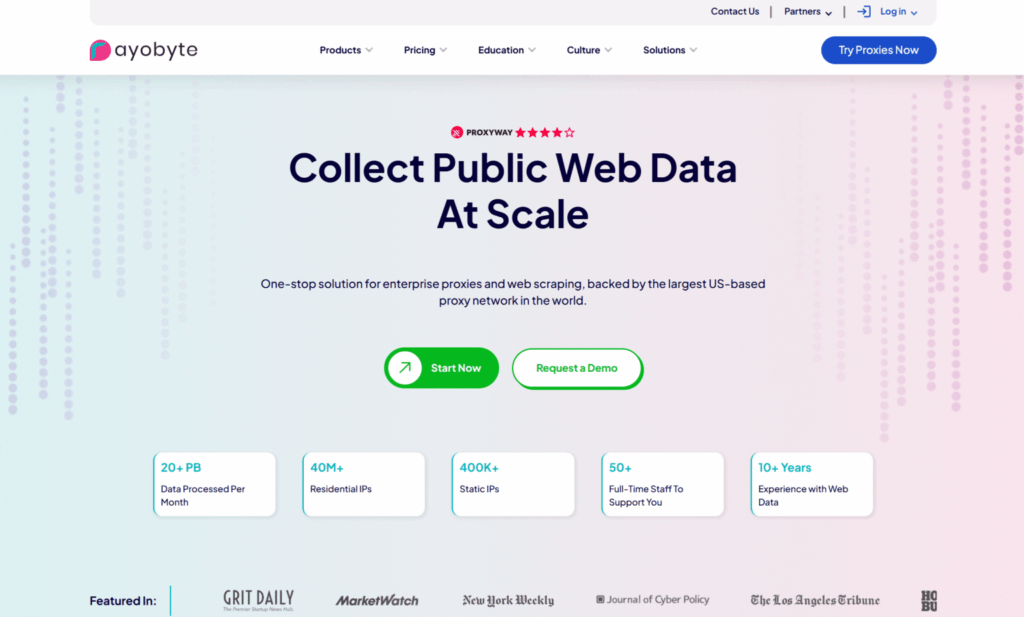
Rayobyte specializes in datacenter proxies for diverse customer needs, including enterprise-level operations. It offers IPs from multiple subnets to reduce detection chances. Support for HTTP, HTTPS, and SOCKS5 makes it versatile. Uptime is 99.9%, with fast connection speeds. The network spans various locations, providing options for different tasks. Strengths include ethical sourcing and strong performance metrics. Weaknesses might include a steeper learning curve for beginners. Some experience occasional connectivity issues in remote areas.
- Key Features: Multiple subnets, HTTP/HTTPS/SOCKS5.
- Accurate Data and Information: 99.9% uptime, fast speeds.
- Pros: Ethical IPs, suitable for large-scale use.
- Cons: Setup may confuse new users.
6. Oxylabs
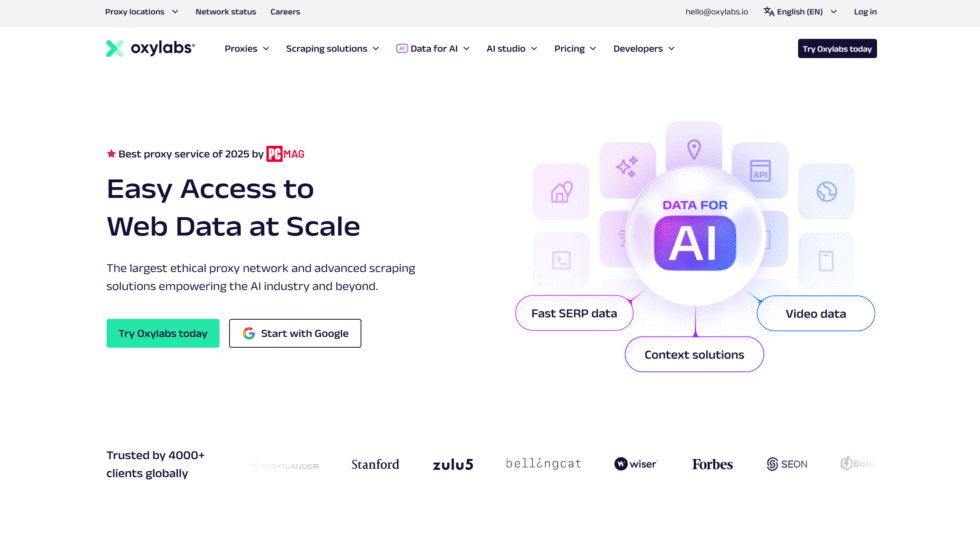
Oxylabs manages a large datacenter proxy network with over two million IPs. It provides shared and dedicated options, focusing on stability for data gathering. Protocols cover HTTP and HTTPS, with SOCKS5 available. Success rates are high at 99.95%, and response times are quick. The service includes dedicated account managers for support. Strengths are in its scale and reliability for big projects. Limitations include potential overkill for small users. Some find the interface complex at first.
- Key Features: Shared/dedicated IPs, protocol variety.
- Accurate Data and Information: 99.95% success, quick responses.
- Pros: Large pool, expert support.
- Cons: Interface can be overwhelming.
7. Bright Data
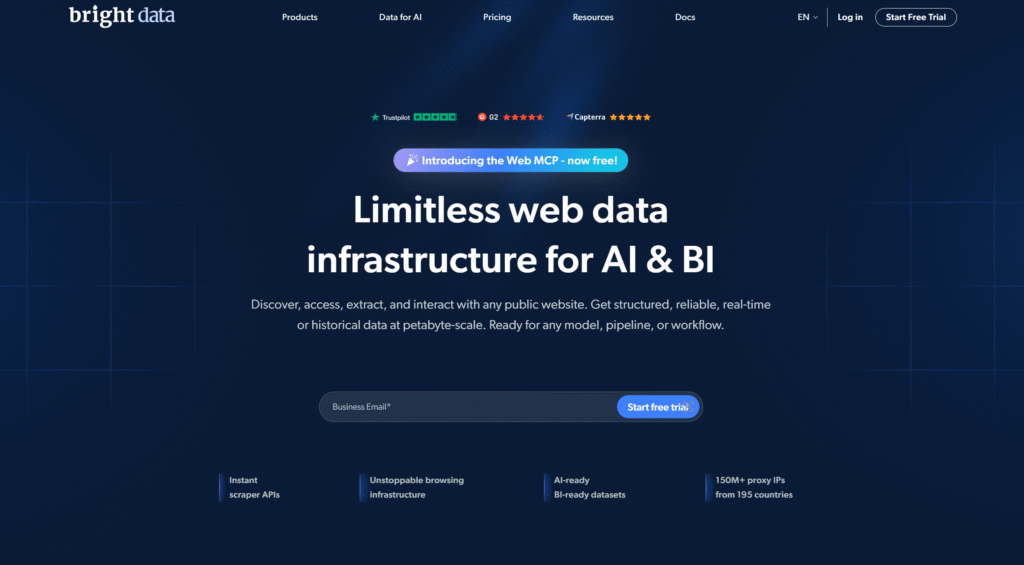
Bright Data runs one of the biggest datacenter proxy setups, with millions of IPs. It offers rotating and static options for flexibility. Supports multiple protocols like HTTP and SOCKS5. Uptime hits 99.99%, ensuring consistency. The platform suits advanced users with tools for management. Strengths include extensive coverage and high performance. Drawbacks involve a higher entry barrier for setup. Users occasionally face IP rotation delays.
- Key Features: Rotating/static, multi-protocol.
- Accurate Data and Information: 99.99% uptime.
- Pros: Vast network, advanced tools.
- Cons: Setup takes time.
8. Proxyrack
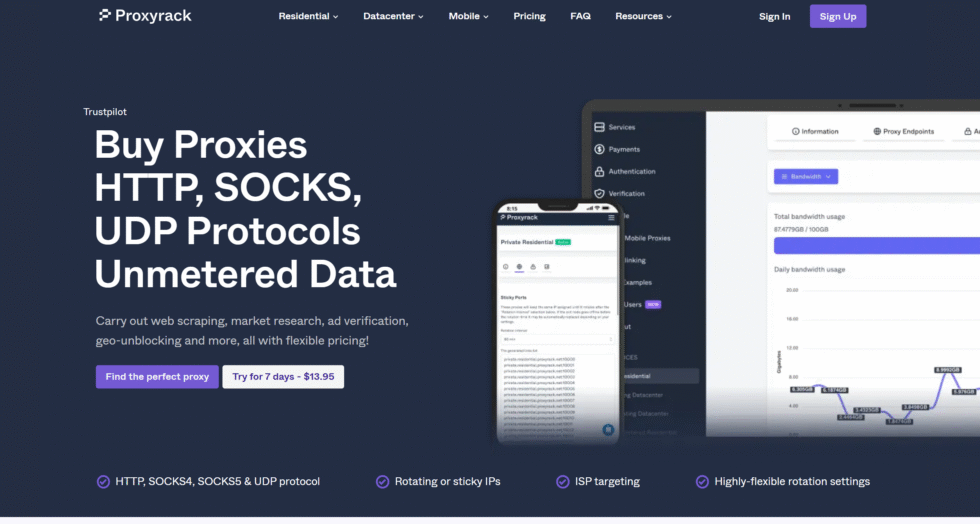
Proxyrack provides datacenter proxies with a mix of shared and private IPs. It emphasizes ease of use with quick setup. Protocols include HTTP and SOCKS5. Response times are solid, around 1 second or less. Uptime is 99%, reliable for most tasks. Strengths lie in its simplicity and support for automation. Weaknesses include smaller pool compared to giants. Some report inconsistent speeds during peaks.
- Key Features: Shared/private IPs, HTTP/SOCKS5.
- Accurate Data and Information: 99% uptime, <1s response.
- Pros: User-friendly, good for automation.
- Cons: Smaller network size.
9. IPRoyal
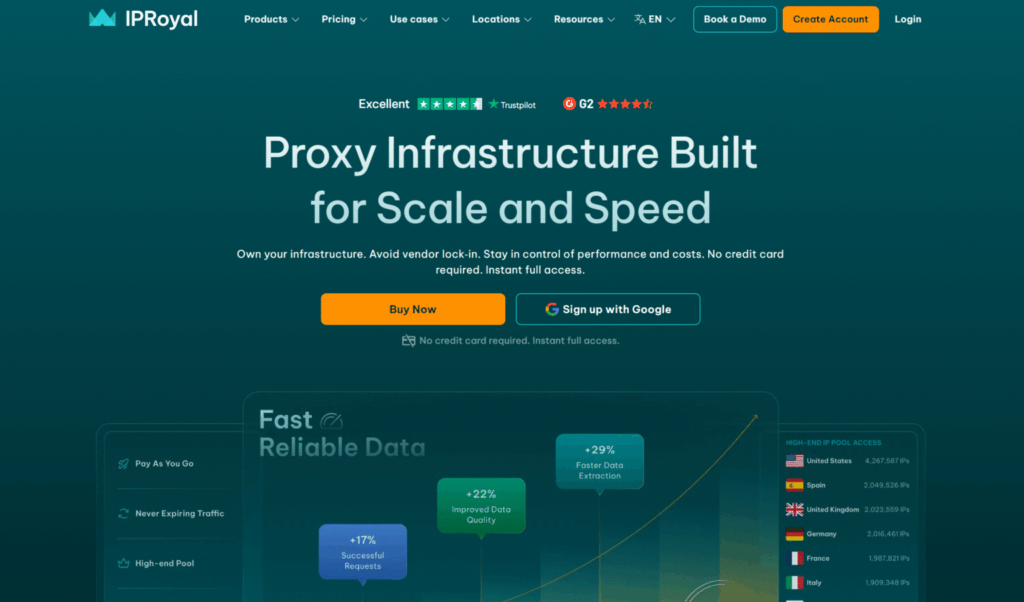
IPRoyal offers datacenter proxies with dedicated and shared choices. It focuses on budget-friendly access with strong specs. Supports HTTPS and SOCKS5. Uptime is 99.9%, with fast connections. The service is headquartered in Lithuania. Strengths include clean IPs and easy integration. Limitations are in advanced features for enterprises. Users note occasional blocks on tough sites.
- Key Features: Dedicated/shared, HTTPS/SOCKS5.
- Accurate Data and Information: 99.9% uptime.
- Pros: Clean IPs, straightforward use.
- Cons: Lacks some enterprise tools.
10. MarsProxies
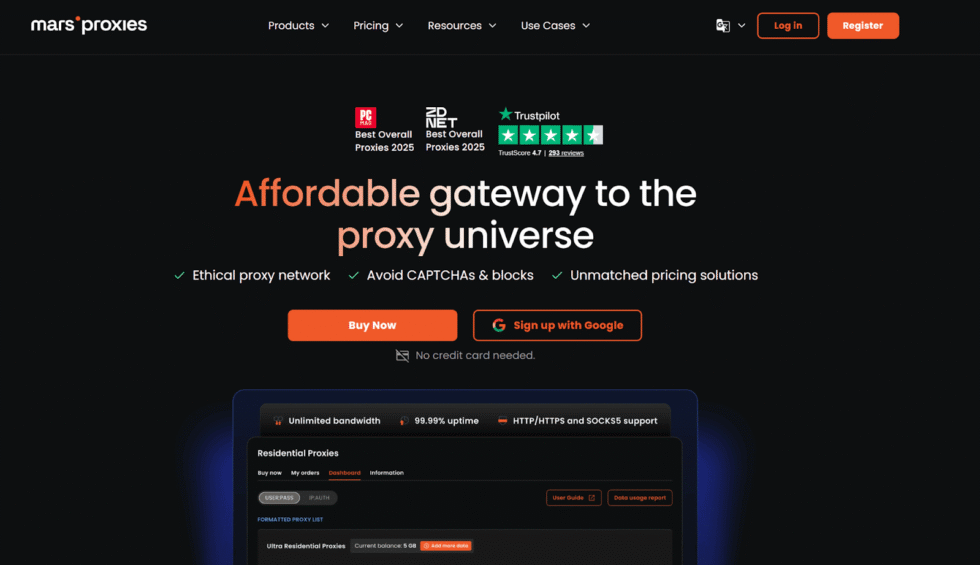
MarsProxies delivers datacenter proxies optimized for rotation and speed. It provides unlimited bandwidth on certain plans. Protocols cover HTTP and SOCKS5. Response times are low, under 0.5 seconds. Uptime reaches 99.99%. Strengths are in its performance for scraping. Weaknesses include limited locations for dedicated IPs. Some find support response times variable.
- Key Features: Rotating proxies, unlimited bandwidth.
- Accurate Data and Information: 99.99% uptime, <0.5s response.
- Pros: High speed, good for scraping.
- Cons: Limited dedicated locations.
11. DataImpulse
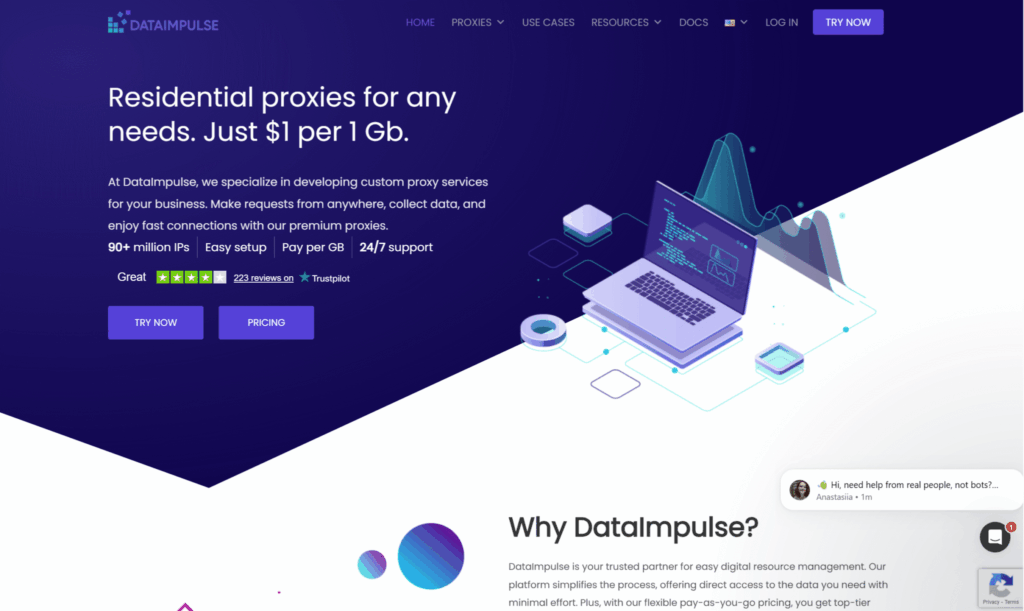
DataImpulse focuses on flexible datacenter proxy solutions for various scales. It offers shared proxies with rotation capabilities. Supports multiple protocols. Uptime is 99.9%, with consistent performance. Strengths include adaptability and user support. Drawbacks involve a smaller overall network. Users sometimes experience minor latency spikes.
- Key Features: Flexible rotation, multi-protocol.
- Accurate Data and Information: 99.9% uptime.
- Pros: Adaptable plans, solid support.
- Cons: Smaller network.
12. Storm Proxies
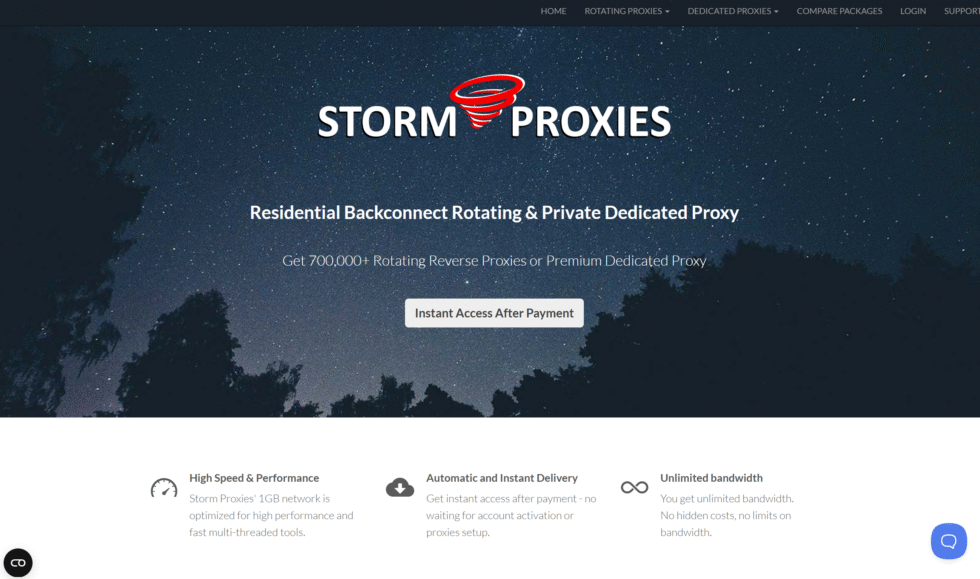
Storm Proxies specializes in datacenter proxies tailored for high-performance tasks such as web scraping, social media automation, and bulk account management. Their service includes rotating backconnect proxies that automatically change IPs with each request or at set intervals, ensuring seamless operations without manual intervention. With a focus on anonymity through in-house developed technology, the proxies support HTTP and HTTPS protocols, making them suitable for multi-threaded applications. While the system delivers high speeds and unlimited bandwidth, it lacks SOCKS support, which may restrict compatibility in certain scenarios. The inventory is fully owned, allowing for consistent performance, but the absence of detailed location options could limit geographic targeting. Overall, it provides reliable connectivity for specialized uses like ticket and sneaker bots, though the emphasis on dedicated packages means less flexibility for casual users.
Key Features:
- Rotating backconnect proxies with over 700,000 shared IPs and private dedicated fixed IPs.
- Automatic IP rotation on each HTTP request or every 3/15 minutes; supports HTTP/HTTPS protocols.
- Highly anonymous with in-house technology; unlimited bandwidth and instant access.
Accurate Data and Information:
- Optimized for high-speed, multi-threaded tools on a 1GB network.
- 24/7 premium support with less than 1-hour response time for 45% of emails.
- 100% owned inventory for consistent performance in scraping and automation tasks.
13. ProxyWing
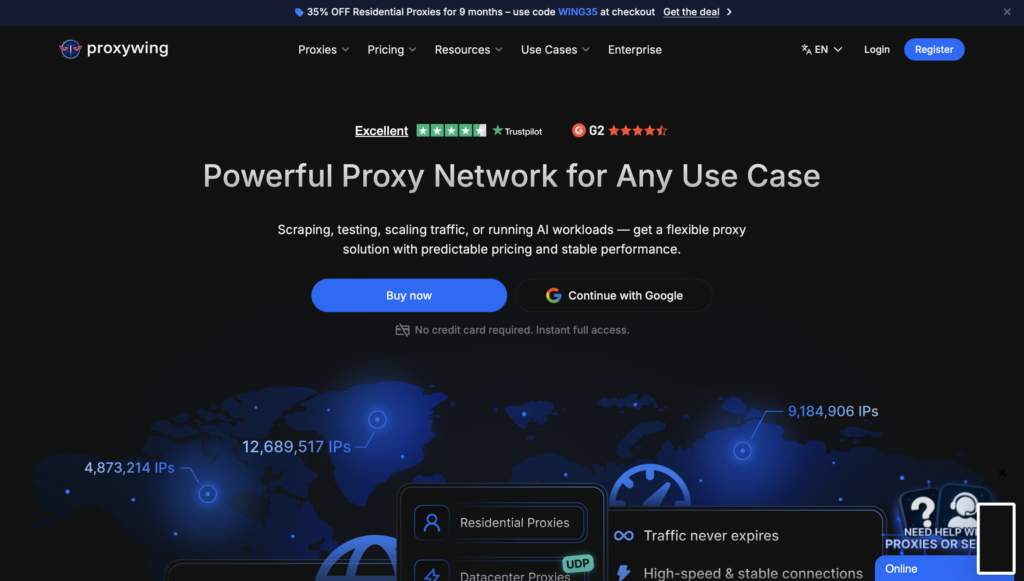
ProxyWing, headquartered in Middletown, United States, offers datacenter proxies designed for speed and security in data-intensive activities like web scraping and SEO monitoring. Their IPv4 addresses provide fast connections and high uptime, supporting multiple protocols for versatile integration. The service excels in handling large request volumes with minimal downtime, making it ideal for streaming geo-restricted content and bulk data retrieval. However, as datacenter IPs, they may be more detectable in anonymity-focused applications compared to residential alternatives. With a user-friendly dashboard for management, the proxies ensure scalability from individual to enterprise levels, though detection risks could pose challenges in stringent environments. Global coverage enhances usability, but the focus on speed over ultimate stealth limits certain high-risk uses.
Key Features:
- High-speed connections with 99.99% uptime; supports HTTP, HTTPS, SOCKS5, and UDP protocols.
- Dedicated and private IPs with global coverage from multiple countries; easy dashboard for configuration and rotation.
- Suitable for web scraping, SEO monitoring, bots, and streaming geo-blocked content.
Accurate Data and Information:
- Powers over 26,000 proxy users with responsive 24/7 support averaging 1-minute response time.
- Ultra-high speeds and minimal downtime for handling large volumes of requests.
- Extensive range of countries and cities for broad market coverage.
14. InstantProxies
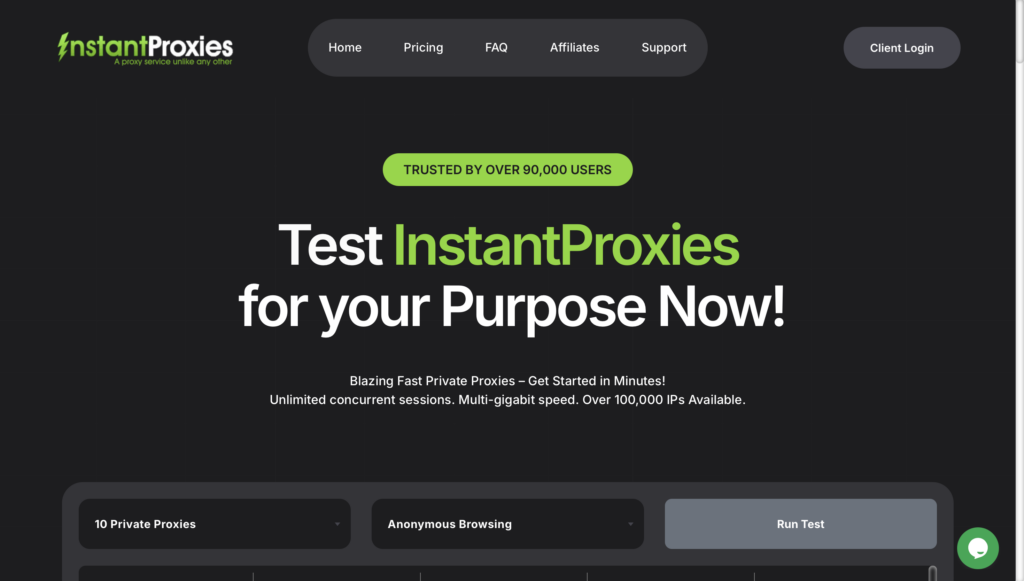
InstantProxies provides datacenter proxies optimized for anonymous browsing, web scraping, and social media management. Their service features private HTTP proxies with unlimited bandwidth and elite anonymity, ensuring fast connections for tools like GSA SER and Scrapebox. The proxies offer instant setup and high uptime, with subnet variety across multiple locations for varied use. While it delivers blazing speeds and compatibility with automation software, the limitation to HTTP protocol may restrict some applications requiring broader support. Focused on high-volume tasks like content posting and data crawling, especially on platforms like Amazon and Facebook, the service emphasizes quality and speed. However, the absence of built-in rotation could necessitate external management for dynamic IP changes, potentially affecting seamless operations in certain scenarios.
Key Features:
- Private HTTP proxies with elite anonymity and unlimited bandwidth.
- Instant delivery and setup in 60 seconds; supports web crawling, scraping, and social media tools.
- Subnet diversity across worldwide locations; compatible with GSA SER, Google, and automation software.
Accurate Data and Information:
- Average response time of 20ms with 99.99% network uptime.
- 100% uptime in the past 24 hours; high-performance for streaming and downloading.
- Network includes 4 subnets across 2 cities for variety.
15. Geonix
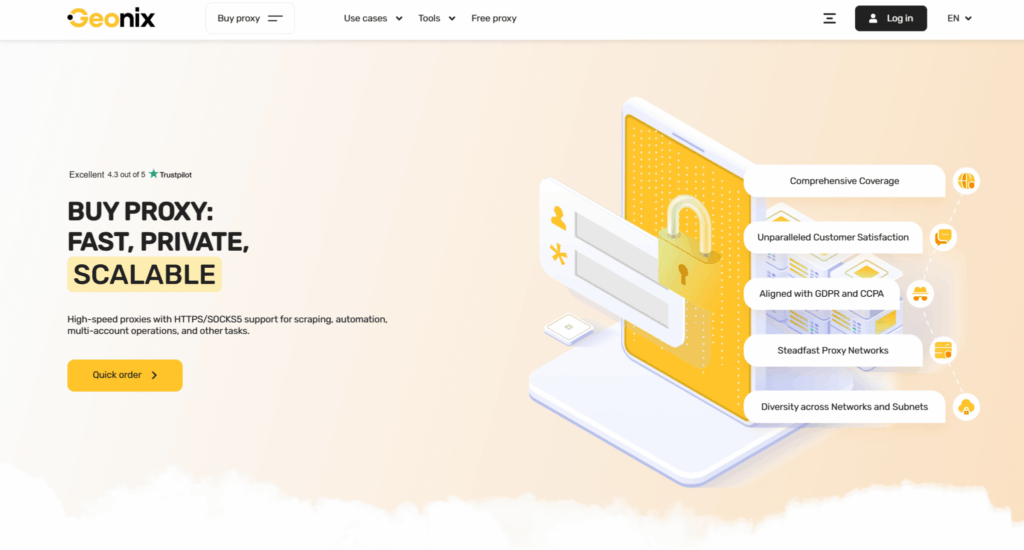
Geonix delivers static IPv4 and IPv6 datacenter proxies for data collection, streaming, and API compatibility, supporting a range of websites and automation needs. Their service features high-speed channels and diverse networks, enabling stable connections for scraping and other tasks. While it offers strong reliability with low interruption risks, the country coverage is capped at 37 for IPv4 and 14 for IPv6, potentially restricting global reach. Proxies include city and state selection for targeted use, and automatic issuance ensures quick setup. The emphasis on ethical sourcing aligns with regulations, but the basic support structure may not suffice for advanced troubleshooting. Overall, it provides consistent performance for mid-scale operations, though geographic limitations could impact broader international applications.
Key Features:
- Static IPv4 and IPv6 proxies with HTTP(s)/SOCKS5 support; private dedicated servers.
- City/state selection and authorization by username/password or IP.
- Over 400 networks and 1000 subnets for diversity; suitable for scraping and automation.
Accurate Data and Information:
- Speed channel up to 1 Gbps with 99%+ uptime.
- Covers 37 countries for IPv4 and 14 for IPv6.
- GDPR and CCPA compliant through ethical partnerships.
16. Proxy-Seller
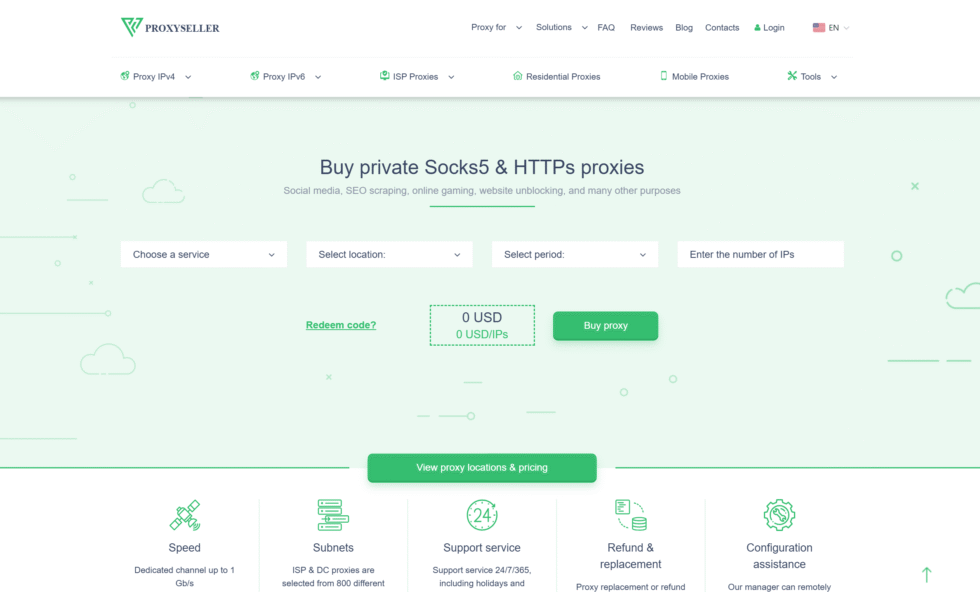
Proxy-Seller supplies IPv4 and IPv6 datacenter proxies with stable, high-speed connections for uses like SEO, price monitoring, and data collection. Their static server proxies support multiple protocols and authentication methods, ensuring secure integration. While the service boasts extensive network coverage, specific details on datacenter locations are limited, which might affect precise geo-targeting. With a focus on reliability, it handles cybersecurity and AI-related tasks effectively, though the general specs may require adaptation for specialized needs. The user dashboard facilitates management, but the lack of explicit rotation for datacenter options could limit dynamic applications. Overall, it serves a broad client base with consistent uptime, yet the absence of detailed metrics for datacenter proxies might necessitate further evaluation.
Key Features:
- Static IPv4 and IPv6 proxies supporting SOCKS5 and HTTP(S); authentication by username/password or IP.
- Suitable for SEO, ad verification, cybersecurity, and AI data collection.
- GEO targeting available with rotation options in related proxy types.
Accurate Data and Information:
- Speed up to 1 Gbps with 99% uptime.
- Sourced from 800 subnets and over 400 networks; covers 220+ countries.
- Trusted by over 500,000 clients with 10+ years of experience.
17. MyPrivateProxy
MyPrivateProxy specializes in private datacenter proxies for SEO, internet marketing, and anonymity, offering HTTP/HTTPS support with IP or username/password authentication. Their network spans multiple data centers worldwide, providing fast connections and reliable uptime for tools like Scrapebox and TweetAdder. While it utilizes enterprise-grade hardware for security and performance, the absence of rotation features may require additional setup for varying IP needs. The service ensures privacy for accessing sites like YouTube, Facebook, and Twitter, but sparse detailed metrics could prompt users to test for specific requirements. Focused on white-hat practices, it offers instant activation and round-the-clock support, though the global spread without explicit location details limits fine-tuned geographic applications.
Key Features:
- Private proxies with HTTP/HTTPS protocols; authentication by IP or username/password.
- Suitable for SEO, internet marketing, and social media anonymity.
- Instant activation; enterprise-grade hardware for security.
Accurate Data and Information:
- Operates over 220 dedicated servers across 24 data centers.
- Described as fastest speeds and best uptime based on user testimonials.
- 24/7 support via ticketing, email, and live chat.
18. SquidProxies
SquidProxies offers dedicated datacenter proxies with high bandwidth and concurrency for scalable web access and data tasks. Their service provides unlimited bandwidth and strong uptime, catering to developers, startups, and large enterprises for public website interactions. While it features millions of IPs and support for high-thread operations, the lack of specified protocols may necessitate verification for tool compatibility. The in-house network setup optimizes throughput, but without rotation or detailed geo-targeting, it may not fit all dynamic or location-specific needs. Serving a diverse client base, including universities and Fortune 500 companies, it emphasizes performance for cost-effective solutions, though transparency on certain specs could improve customization for advanced users.
Key Features:
- Dedicated IPs with 50-100 Mbps bandwidth and unlimited usage.
- 99.9% uptime; supports high concurrency with 100+ threads.
- Suitable for large-scale access to public websites and proxy use cases.
Accurate Data and Information:
- Millions of IPs available in the network.
- Serves over 8,000 clients, including developers and Fortune 500 companies.
- High throughput with 99.9% uptime guaranteed.
19. Proxy-Cheap

Proxy-Cheap delivers a substantial collection of datacenter proxies engineered for efficient web scraping, e-commerce monitoring, SEO tasks, and social media automation. Headquartered in Vilnius, Lithuania, this provider operates a network featuring around 900,000 IPv4 and IPv6 datacenter addresses available in key regions including the United States. The service excels in providing high-speed connections capable of supporting over 100 simultaneous tasks with consistent performance.
Static dedicated proxies ensure persistent IP addresses for reliable long sessions, while the broad pool allows effective load distribution. Like other datacenter solutions, these IPs prioritize velocity and scalability but may benefit from rotation strategies on platforms with strict bot detection. Proxy-Cheap facilitates global access and data gathering operations through its versatile infrastructure tailored for high-volume usage.
- Key features:
- Dedicated and shared datacenter IPv4 and IPv6 proxies
- SOCKS5 protocol support
- Unlimited bandwidth and concurrent connections
- Automatic proxy rotation capabilities
- Geo-targeting across multiple countries with strong US presence
- Accurate data and information:
- Access to approximately 900,000 datacenter IP addresses
- Optimized for high concurrent tasks exceeding 100 connections
- Locations include the United States, United Kingdom, Germany, Canada and others
- Suitable for market research, ad verification, and price monitoring applications
20. Floxy
Floxy specializes in fast datacenter proxies optimized for large-scale data extraction, price tracking, SEO monitoring, and AI data training. The provider offers both shared and dedicated IPv4 options with significant availability in the United States and other major markets. Users experience low latency connections alongside a high success rate for concurrent requests. Automatic IP rotation and country-level targeting provide flexibility for precise operations.
Datacenter proxies from Floxy deliver exceptional bandwidth and speed for intensive workloads, although pairing with advanced tools can improve success rates against advanced anti-scraping measures. The clean IP pool and unlimited session support position Floxy as an effective solution for developers and data teams requiring reliable performance in competitive online environments during 2026.
- Key features:
- Shared and dedicated datacenter IPv4 proxies
- HTTP and SOCKS5 protocol compatibility
- Automatic IP rotation and country targeting
- Unlimited concurrent sessions and bandwidth
- API integration support
- Accurate data and information:
- 99.9% success rate with low latency performance
- Extensive US proxy availability alongside European and Asian options
- Designed for web scraping, brand monitoring, and lead generation
- Supports high-volume concurrent requests effectively
21. ProxyScrape
ProxyScrape supplies high-speed shared and dedicated datacenter proxies built for automation, social media management, and bulk web scraping projects. Based in Mechelen, Belgium, the service maintains a pool focused on performance across locations including the United States. Proxies feature unlimited concurrent connections and fast response times suitable for demanding applications.
The infrastructure guarantees high uptime for stable operations without session limitations. While offering strong speed advantages for high-throughput tasks, datacenter IPs from this provider perform best when used in conjunction with proper session management for sites employing advanced blocking. ProxyScrape emphasizes scalability and ease of integration, supporting users in executing large-scale data operations efficiently throughout 2026.
- Key features:
- Shared and private static datacenter proxies
- HTTP, SOCKS5, and UDP protocol support
- Unlimited bandwidth and concurrent connections
- Non-rotating options for stable sessions
- Multi-country geotargeting including US
- Accurate data and information:
- Pool exceeding 40,000 datacenter proxies
- 99.9% uptime with response speeds under 500 ms
- Optimized for automation and QA testing
- Strong performance in US and other major locations
22. PrivateProxy.me
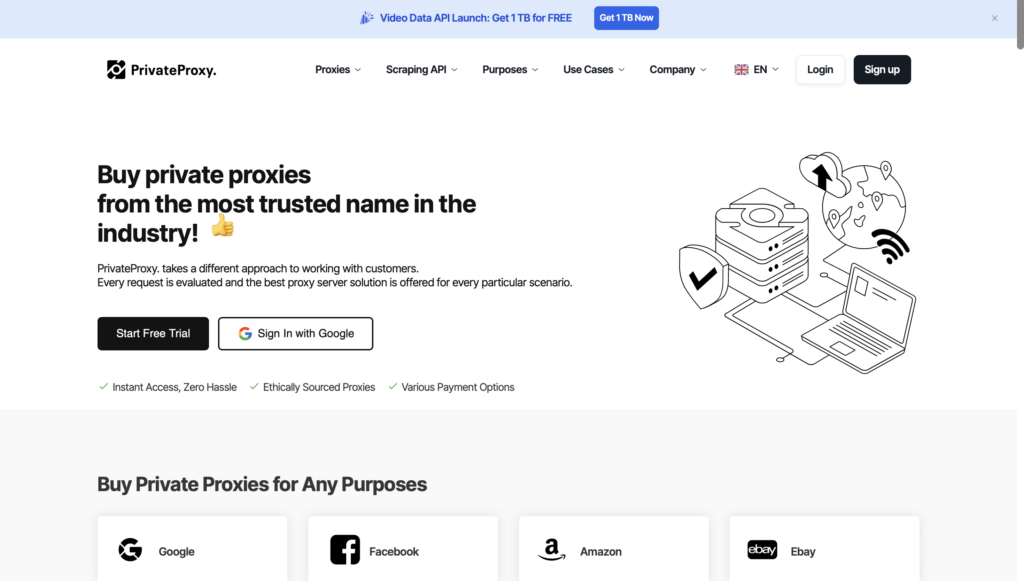
PrivateProxy.me focuses on private datacenter proxies known for stability and fast connections tailored to web scraping, SEO, lead generation, and e-commerce data collection. With a presence linked to London, United Kingdom, the provider emphasizes US-based IPs popular for American market activities. These elite proxies come with unmetered bandwidth and support for unlimited connections alongside instant activation.
The clean, ISP-sourced addresses contribute to better longevity in operations. Datacenter offerings excel in speed and reliability for intensive use cases but can be complemented by rotation for optimal evasion on sensitive platforms. PrivateProxy.me supports multiple ports and provides verified proxies suitable for complex online tasks and reputation management in the current landscape.
- Key features:
- Private elite anonymous datacenter proxies
- HTTP(S) protocol support
- Unmetered bandwidth and unlimited connections
- Instant activation with multiple ports
- US and European location options
- Accurate data and information:
- Vast and expanding pool of clean proxies
- Super fast and stable connections for scraping applications
- Ideal for platforms like Amazon, Google, and social networks
- Supports local SEO and price intelligence gathering
How to Choose a Cheap Datacenter Proxy Provider
Picking the right provider involves looking at your specific needs, like speed or session types. Consider if you need rotating IPs to switch connections often. Check for protocol compatibility to match your tools. Reliability comes from high uptime and low response times. Many users benefit from providers offering rollover data to avoid waste. Factor in support quality for quick fixes. Also, think about scalability as your projects grow.
| Factor | What to Look For | Why It Matters |
| Uptime | 99% or higher | Keeps tasks running without breaks |
| Response Time | Under 1 second | Speeds up data handling |
| Protocol Support | HTTP, HTTPS, SOCKS5 | Fits different setups |
| Session Types | Rotating or sticky | Matches project style |
| Support | 24/7 availability | Resolves issues fast |
Common Use Cases for Datacenter Proxies
Datacenter proxies shine in scenarios needing quick, stable connections. Web scraping pulls data from sites efficiently, avoiding restrictions. Ad verification checks campaigns across platforms without flags. SEO monitoring tracks rankings reliably. Market research gathers insights fast. Automation tools run smoother with consistent IPs. Many apply them in social media management to maintain multiple accounts. Overall, they support tasks where speed trumps other factors.
Datacenter Proxies vs. Other Proxy Types
Datacenter proxies stand out for their speed and affordability when compared to alternatives like residential or mobile options. These proxies originate from server environments, making them suitable for tasks that prioritize quick data transfer over other considerations. In contrast, rotating residential proxies route traffic through real user devices, which users select in situations where blending in with everyday internet activity is essential for avoiding detection during automated processes.
Mobile proxies, on the other hand, utilize cellular networks, and dedicated mobile proxies handle connections from specific devices, a setup that fits well when simulating mobile user behavior in app-related activities. Rotating mobile proxies add variety by changing IPs frequently, which applies in dynamic environments requiring adaptability. While datacenter proxies excel in high-throughput scenarios, static residential proxies maintain the same IP for extended periods, a feature that supports applications needing stable connections without interruptions.
Best Practices for Using Cheap Datacenter Proxies
Effective use of cheap datacenter proxies involves selecting configurations that match specific workflow demands. Rotating datacenter proxies manage IP changes automatically, a method that sustains performance in repetitive tasks like data collection without manual intervention. Integrating these proxies with tools outlined in web scraping 101 ensures smoother operations when gathering information from multiple sources.
Pairing proxies with social media proxies enhances management of platform interactions, where consistent access prevents disruptions. For verification processes, proxies for ad verification streamline checks on digital content delivery. Maintaining proxy health includes regular rotation and monitoring, especially when using integrations to connect with various software setups. Users incorporate proxy use case examples to refine their approach, adapting to different scenarios without overcomplicating the setup.
Combining Different Proxy Types for Optimal Performance
In complex online projects, users find success by blending various proxy solutions to match specific requirements. Many teams turn to rotating residential proxies when their workflows demand a blend of reliability and adaptability in data collection efforts.
Datacenter proxies deliver the backbone for speed-focused tasks, while pairing them with static residential proxies supports scenarios needing unchanging addresses for consistent logins. This approach allows projects like account management to proceed without interruptions. Dedicated mobile proxies bring another dimension for applications that interact with mobile-first platforms, providing natural traffic patterns that complement the high throughput of datacenter options. Professionals engaged in ad verification processes often use ad verification proxies to verify campaign performance across different setups.
Seamless Integrations for Proxy-Powered Workflows
Software developers and automation specialists rely on robust integration capabilities to embed proxy connections into their tools effectively. The available integrations facilitate smooth connections with popular scraping frameworks and browser extensions.When executing large-scale data operations, web scraping offers foundational knowledge that enhances how rotating datacenter proxies are deployed in code. Users setting up proxy-powered workflows appreciate how these systems work with standard protocols to maintain efficiency. Rotating mobile proxies integrate particularly well in environments testing mobile applications, ensuring seamless data flows.
Latest News In 2026
The proxy industry continues to evolve with innovations in AI proxies that centralize API management and adapt to dynamic workloads, distinguishing them from traditional network-level options like datacenter setups. Advancements in mobile proxy technologies, such as those using 4G and emerging 5G networks, focus on improving energy efficiency for data center operations while maintaining essential IP rotation for large-scale tasks. Ethical sourcing has become a key standard following disruptions from non-compliant networks, emphasizing consent-based methods for residential proxies to ensure reliability and compliance.New launches in datacenter proxy services highlight high-speed options for demanding tasks like web scraping, with providers expanding portfolios to include ISP and datacenter types for better stability in e-commerce and social media management. Comparisons of datacenter proxies in recent analyses evaluate performance factors like response times and block rates, aiding users in selecting suitable providers for scale-focused applications. The shift toward premium datacenter solutions underscores their role in high-volume operations, with ongoing developments in proxy ecosystems to support enterprise data needs.
Frequently Asked Questions
What makes datacenter proxies affordable yet effective?
Datacenter proxies achieve affordability through their reliance on centralized server infrastructure, which simplifies maintenance and scaling compared to more distributed systems. This design allows for rapid data transmission and consistent availability, making them suitable for tasks that demand quick processing without excessive overhead. Features like broad protocol compatibility enhance their versatility, ensuring they integrate well with various applications while maintaining efficiency.
How do datacenter proxies compare to residential ones?
Datacenter proxies prioritize speed and volume handling, which suits environments where fast access is key over blending into typical user patterns. In contrast, residential proxies draw from home-based networks, offering a more natural appearance that can evade stricter detections. The choice often depends on the balance between performance needs and the level of scrutiny from target sites, with datacenter options excelling in straightforward, high-throughput scenarios.
Can I use datacenter proxies for web scraping?
Datacenter proxies support web scraping by providing stable connections that handle repeated requests efficiently, especially when combined with rotation mechanisms to distribute traffic. They work effectively with tools that require low latency, allowing for smoother data extraction from multiple sources. For optimal results, consider pairing them with scraping proxies designed to manage session continuity and avoid common pitfalls like rate limiting.
What should I avoid when selecting a proxy provider?
Focus on avoiding providers that lack robust support for essential protocols, as this can hinder compatibility with your existing setup and lead to integration issues. Be cautious of services with unclear policies on data rollover or session management, which might limit flexibility in ongoing projects. Prioritizing those with strong reliability records helps ensure seamless operations without unexpected disruptions.
What distinguishes cheap datacenter proxies from premium ones?
Cheap datacenter proxies emphasize core server-based routing for straightforward tasks, often shared among users to keep expenses low, while premium variants incorporate dedicated resources for exclusive access. This distinction becomes relevant in scenarios where consistent performance without interference from other users is necessary, such as in prolonged sessions. Premium options also tend to include built-in tools for easier management, suiting complex workflows that demand reliability beyond basic connectivity.
How do datacenter proxies handle protocol support?
Datacenter proxies manage multiple protocols by routing requests through optimized servers, ensuring broad application compatibility without requiring extensive user adjustments. This support extends to secure connections where encryption is involved, facilitating integration with software that relies on varied communication standards. In practice, such versatility aids in handling diverse network requirements, from simple browsing to more intricate data exchanges.
What are common misconceptions about datacenter proxies?
One misconception holds that datacenter proxies are inherently detectable due to their server origins, yet proper configuration with rotation can mimic varied traffic patterns effectively. Another involves assuming limited scalability, but large pools allow for handling substantial volumes in automation without performance drops. Addressing these views highlights their utility in cost-effective setups where speed outweighs other factors.
How can datacenter proxies be set up for beginners?
Beginners configure datacenter proxies by entering provided credentials into device settings or applications, a process that aligns with standard network adjustments. Resources like proxy service comparison guides outline steps to match proxy types with intended uses, simplifying initial choices. This setup enables quick testing in basic environments, building familiarity before advancing to automated tools.
What role do datacenter proxies play in e-commerce tasks?
Datacenter proxies assist in e-commerce by enabling efficient monitoring of market trends through rapid request handling from server IPs. They support automation in competitive analysis, where multiple queries are processed without triggering restrictions. This application proves useful in maintaining up-to-date insights on pricing and availability across platforms.
Are datacenter proxies compatible with all devices?
Datacenter proxies integrate with a range of devices through standard configuration options, including those running various operating systems. Compatibility extends to server-based setups where proxies enhance backend processes. Users adapt them to mobile environments when software allows, broadening their utility across hardware.
How do datacenter proxies impact connection speeds?
Datacenter proxies leverage server infrastructure to minimize delays in data transmission, optimizing paths for quicker responses. This effect is noticeable in bandwidth-intensive operations where low latency contributes to overall efficiency. Their design prioritizes throughput, making them a fit for tasks demanding swift interactions.
What maintenance is required for datacenter proxies?
Datacenter proxy maintenance involves checking for IP validity and refreshing assignments to avoid overuse issues. Applying targets strategies helps in distributing loads evenly, preserving effectiveness. Regular updates to configurations ensure alignment with evolving network demands.
Can datacenter proxies be used for multiple accounts?
Datacenter proxies facilitate handling multiple accounts by providing distinct IPs that separate activities, reducing linkage risks. This approach suits environments where independent sessions are maintained across platforms. Proper allocation enhances management without complicating oversight.
What happens if a datacenter proxy gets blocked?
When a datacenter proxy encounters a block, users switch to alternative IPs from available pools to resume operations promptly. Providers with extensive networks offer seamless transitions, minimizing interruptions. Proactive monitoring helps in anticipating such events, allowing for timely adjustments.
How do datacenter proxies contribute to automation efficiency?
Cheap rotating datacenter proxies contribute to automation efficiency by delivering fast response times that enable scripts to process large numbers of requests without significant delays. Their server-based design offers stable performance ideal for running background tasks and repetitive online operations. Users often leverage these proxies for applications requiring consistent speed across extended automation cycles.
When do teams incorporate static residential proxies into their setups?
Teams incorporate static residential proxies into their setups when projects need reliable long-term connections with the same IP address. This stability becomes important for monitoring tools and applications that rely on persistent sessions. Static residential options provide an additional layer of authenticity that enhances certain types of automated interactions.
What benefits arise from using rotating mobile proxies with datacenter solutions?
Rotating mobile proxies bring benefits when combined with datacenter solutions by introducing authentic mobile network characteristics to high-speed operations. This pairing helps projects that need to balance performance with realistic traffic sources from cellular networks. The combination expands compatibility with platforms that apply stricter checks on connection origins.
How do integrations support proxy implementation?
Integrations support proxy implementation by providing ready-made connections to common development tools and automation platforms. They simplify routing traffic through selected proxy networks within custom scripts and software. This compatibility reduces technical barriers when scaling proxy usage across different applications.
What considerations apply to social media proxies in account handling?
Social media proxies require thoughtful setup to effectively manage multiple accounts while maintaining natural activity patterns. They help distribute connections across various addresses to support secure profile operations. Proper configuration with these proxies assists in keeping account activities separated and consistent.
What role do proxy session types play in achieving better results?
Proxy session types play an important role in achieving better results by determining how long IP addresses remain active during specific tasks. Sticky sessions maintain the same address for continuity while rotating sessions refresh connections at regular intervals. Choosing the right session approach helps align proxy behavior with the unique requirements of each operation.
How can users optimize proxy performance in 2026?
Users can optimize proxy performance in 2026 by adjusting request rates and timeout settings according to target site responses. Regular health checks on active connections help maintain smooth operation over time. Fine-tuning these elements allows for improved reliability during intensive data-related activities using dedicated mobile proxies.
In what ways do hybrid strategies improve data projects?
Hybrid strategies improve data projects by creating flexible systems that draw advantages from multiple proxy categories simultaneously. They offer better resilience against potential disruptions by spreading activities across different network types. This method supports more sophisticated approaches to information gathering in varied online environments.